

The key role of women in driving innovation within European agriculture and rural areas has historically been under-recognised, a deficit which limits the overall dynamism and sustainability of the sector. It is this systemic oversight that the FLIARA project was established to address. A central output of this significant research endeavour is the forthcoming Gender Specific Guide to Female-Led Innovation in Farming and Rural areas (Deliverable D4.5). This guide provides a comprehensive resource , poised not merely to document current practice but to fundamentally strengthen the prevailing narrative surrounding rural and farm enterprise and innovation by making it more inclusive.
Strengthening Farming and Rural Areas through Inclusion
The core objective of the guide is two-fold: to support the improved participation of women in rural and farm innovation and to provide a resource for those involved in policymaking. It offers tangible inspiration and guidance to women who are either contemplating or already engaged in an innovation journey. It discusses challenges facing women-led innovation and provides good practice policy actions and measures identified by the project that can address these issues. This resource aims to support improving the overall participation of women in these vital sectors, thereby fostering a more robust and complete rural and farm economy.
By illustrating a diverse, dynamic, and distinctly future-focused picture of women-led innovation, the guide directly challenges and aims to update the dominant, often historical, assumptions about who can innovate and where this innovation occurs. It operates on the core lesson that women-led innovation is already substantially evident, and its proper recognition is a necessary precondition for sectoral progress and long-term sustainability.
Key Insights from the Field
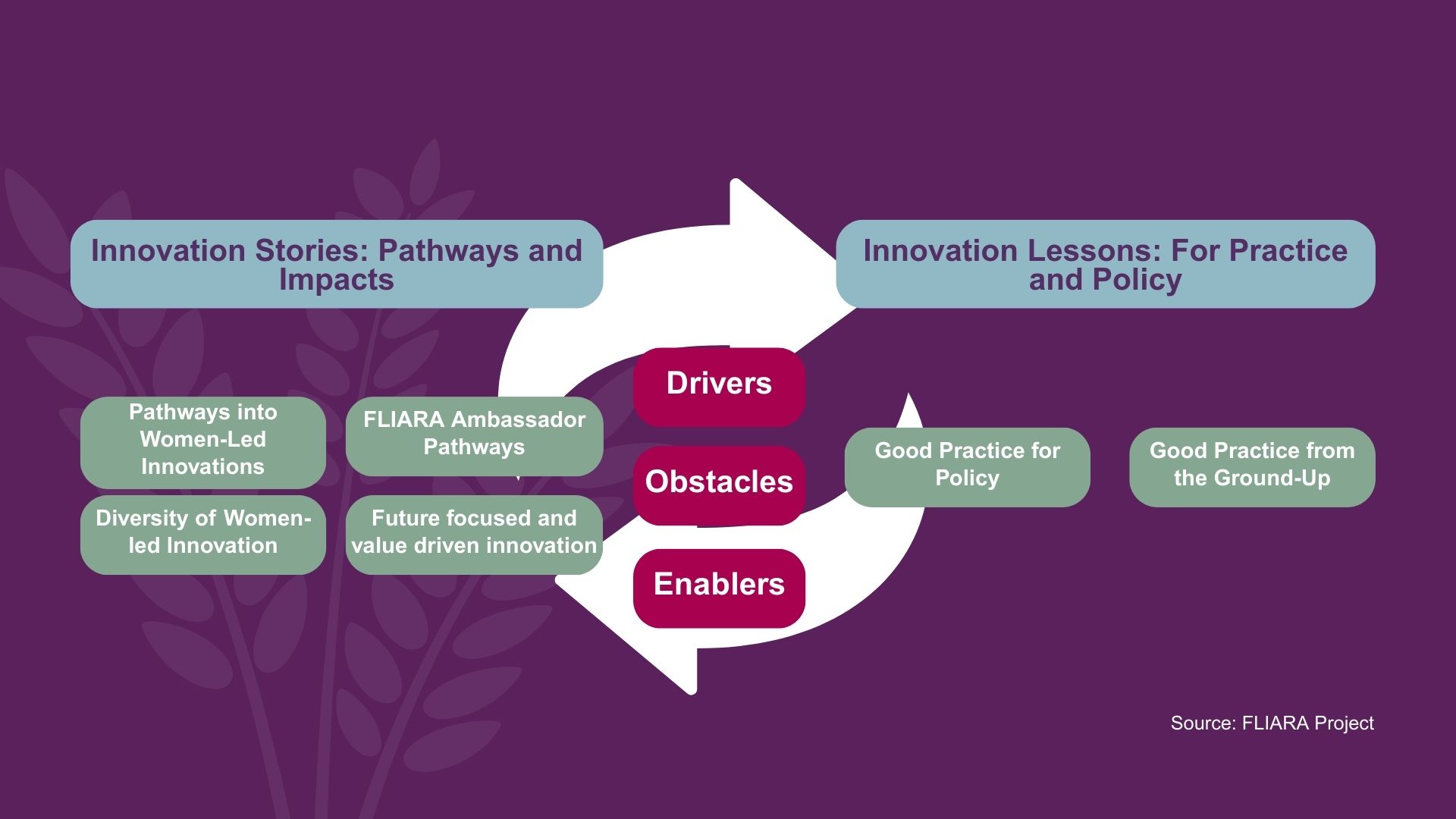
The guide’s findings are rooted in extensive fieldwork, drawing upon 20 national case studies that documented the experiences of 200 women leading unique innovations across ten European countries. This evidence clearly demonstrates that the pathways into women-led innovation are profoundly diverse. Rather than a single trajectory, the guide maps multiple motivations—or ‘Drivers’—for innovation and enterprise. These include factors such as a deliberate ‘Change of career direction’, ‘Return to rural roots’ prompted by a desire for a quieter pace of life, or a woman assuming the role of the ‘Next generation in farm business’ and instigating innovative changes to improve efficiency and ecological performance.
Furthermore, the document outlines how these innovations contribute significantly to the broader sustainable development of rural areas in Europe, benefiting all inhabitants. Women are shown to be addressing all four pillars of sustainability—environmental, social, economic, and cultural—through various ventures, ranging from regenerative dairy farming and artisanal food processing to community-focused cultural hubs and educational initiatives. The guide meticulously details the complex interplay of ‘Drivers’, the critical factors or ‘Enablers’ that assist development, and the ‘Obstacles’ or hurdles that women encounter on their path.
Ultimately, the analysis underscores that policy must be viewed as a crucial catalyst for sectoral inclusion. The guide seeks to cultivate an enabling environment that assists women in igniting their spark for innovation, ensuring that this vital pool of entrepreneurial talent is fully integrated into the future of rural Europe by identifying key challenges and proposing good practice policy actions.
For practitioners, researchers, and policymakers seeking to engage with this new resource, the full Gender Specific Guide to Female-Led Innovation in Farming and Rural areas will be made available via the FLIARA toolkit in the first quarter of 2026.