

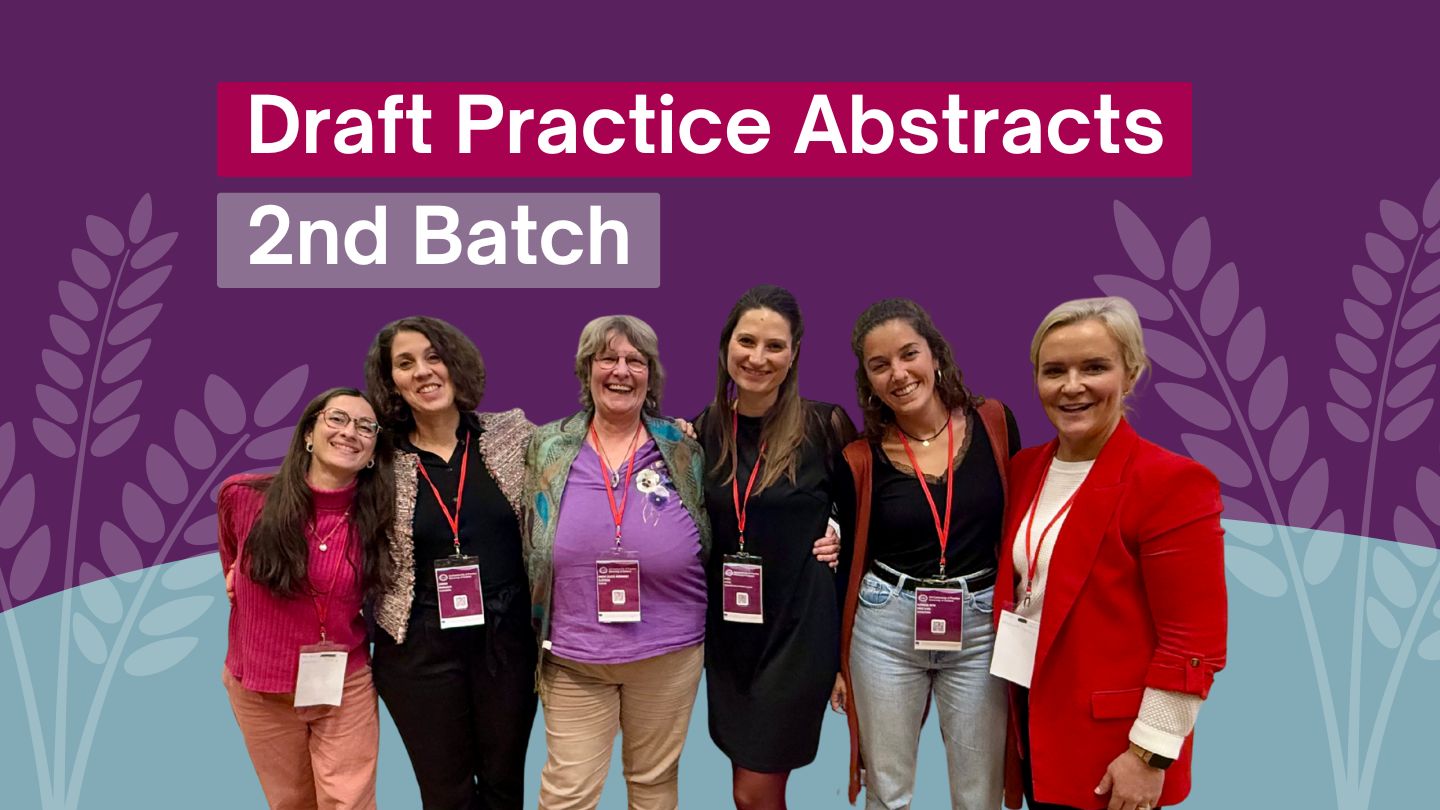
The FLIARA project is committed to enhancing the innovative capacity of the European agricultural and rural sectors by ensuring that women’s expertise and entrepreneurial efforts are fully integrated into the innovation ecosystem. A crucial component of this mission is the effective dissemination of its research. This is the explicit function of the 2nd Batch of Practice Abstracts, a compendium which successfully translates complex research insights into an accessible format for practitioners and policymakers, acting as a trailblazer for actionable knowledge.
The Mandate for Accessible Solutions
The primary purpose of producing these practice abstracts is to maximise the usability and adoption of the project’s outcomes across the continent. Recognising the limited time of end-users, the consortium significantly surpassed its mandatory requirements, generating fifteen abstracts that span the entire breadth of the project, from foundational concepts to policy design. By distilling findings from each work package into concise, actionable messages, this deliverable ensures that the knowledge exchange flows smoothly from the academic environment to the field, providing clear solutions to current systemic issues.
Foundational Pillars for Effective Collaboration
A key insight emerging from the initial work packages reinforces the necessity of structured inclusivity within research itself. The success of the FLIARA consortium, which includes non-academic, grassroots organisations such as Longford Women’s Link, demonstrates a powerful model for mutual gains. Such multi-actor collaboration is proven to strengthen the real-world relevance and inclusivity of research, particularly by broadening the accepted definitions of innovation to include social and advocacy-based forms. This model of partnership is now increasingly considered essential for generating outcomes that are truly demand-driven and relevant to society.
Prioritising Social and Network-Based Support
The FLIARA foresight and trend analysis, a core activity within the project, strongly suggested that the most effective measures for promoting women-led innovation are overwhelmingly social in nature, comprising nearly 80% of successful strategies. These findings favour interventions such as education, empowerment initiatives, and enhancing visibility over traditional administrative or economic measures. Furthermore, the establishment of networks—including peer-to-peer, stakeholder, and co-creation networks—was identified as the single most potent tool for development in all types of rural areas. This emphasis highlights that fostering a connected and supportive community is a more critical determinant of success than simply deploying financial subsidies.
Integrating Innovation: Digital Tools and AKIS
The Practice Abstracts also present detailed policy-relevant findings on how to better integrate women into the innovation architecture of the sector. The research on digitalisation confirms its transformative potential, yet it reveals persistent challenges such as poor rural connectivity and a lack of training specifically tailored to women’s needs. To address this, there is a clear call for policymakers to ensure rural broadband equity and to fund bespoke digital literacy programmes. This forms part of our solution-orientated approach.
Similarly, improving the Agricultural Knowledge Innovation System (AKIS) requires conscious effort beyond simply disseminating information. The findings indicate that many women are unfamiliar with AKIS offerings; therefore, it requires not only greater visibility but also a structural commitment to gender balance among its actors and governance spaces. Critically, advisory services and knowledge flows must adopt a more flexible, network-based approach to accommodate the diverse work and life demands faced by women in farming and rural business.
The Importance of Sustained Visibility
Finally, the abstracts underscore the imperative of continuous visibility for rural women innovators. Sustained promotion is necessary to shift the prevailing perception of women entrepreneurs from being mere “exceptions” to the acknowledged norm within the rural economy. The operation of the FLIARA Community of Practice (CoP) serves as a key mechanism for this, acting as a crucial European-wide platform to connect innovators directly with the policymakers and researchers who design the institutional environment.
In summation, this batch of practice abstracts moves the discourse from simply recognising a systemic challenge to providing a robust framework of effective action. By doing this, the FLIARA project is offering a clear, evidence-based roadmap toward building a more resilient, inclusive, and steps toward a fully realised rural economy for all of Europe by championing collaboration, network-based support, and targeted policy adjustments.