Understanding Women Led Innovation: What Drives It and What Gets in the Way
Explore embedding innovative methods, tools, and mindsets in your activities, guided by insights from the Innovation Concept Notes.
Why take the Innovation Perspectives into account?
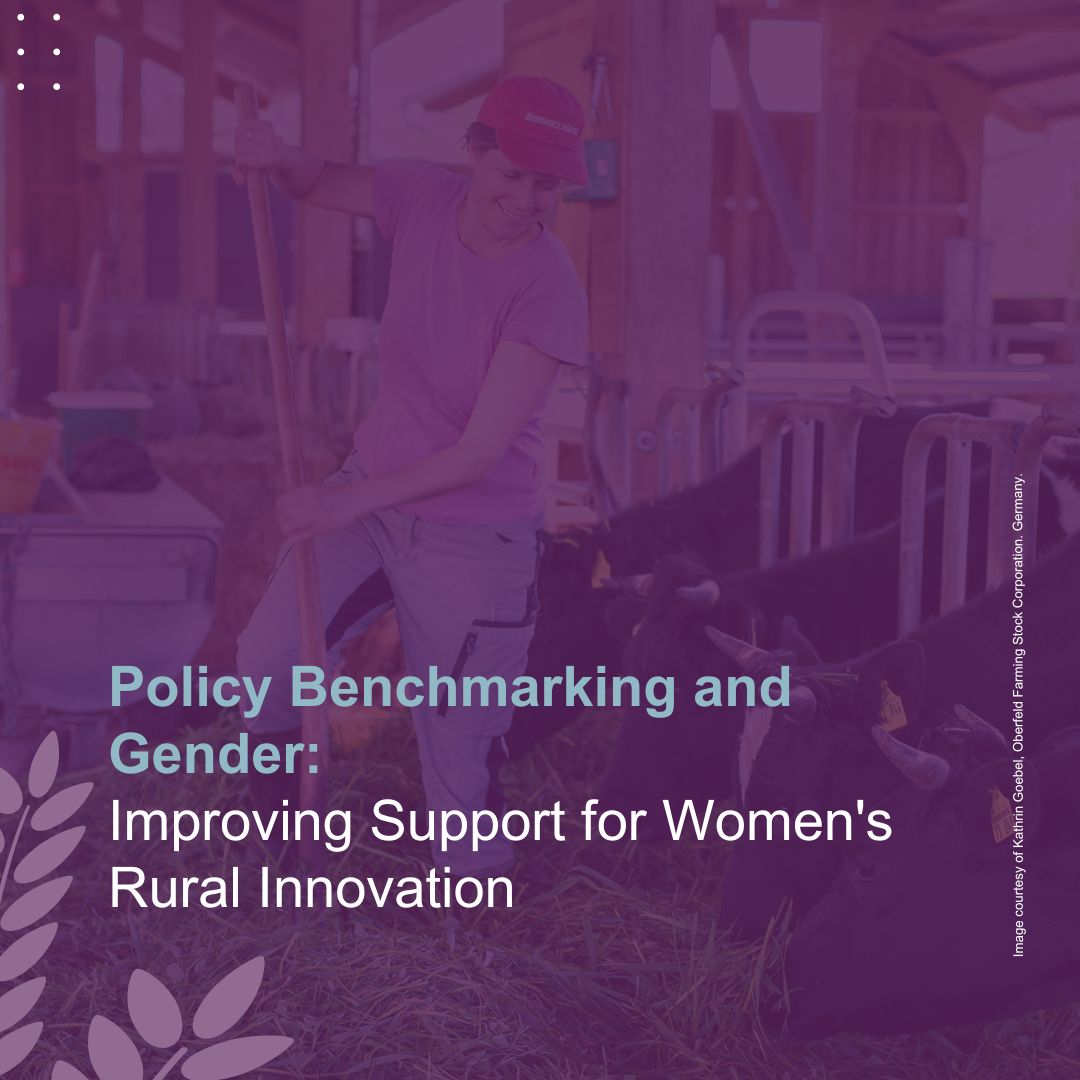
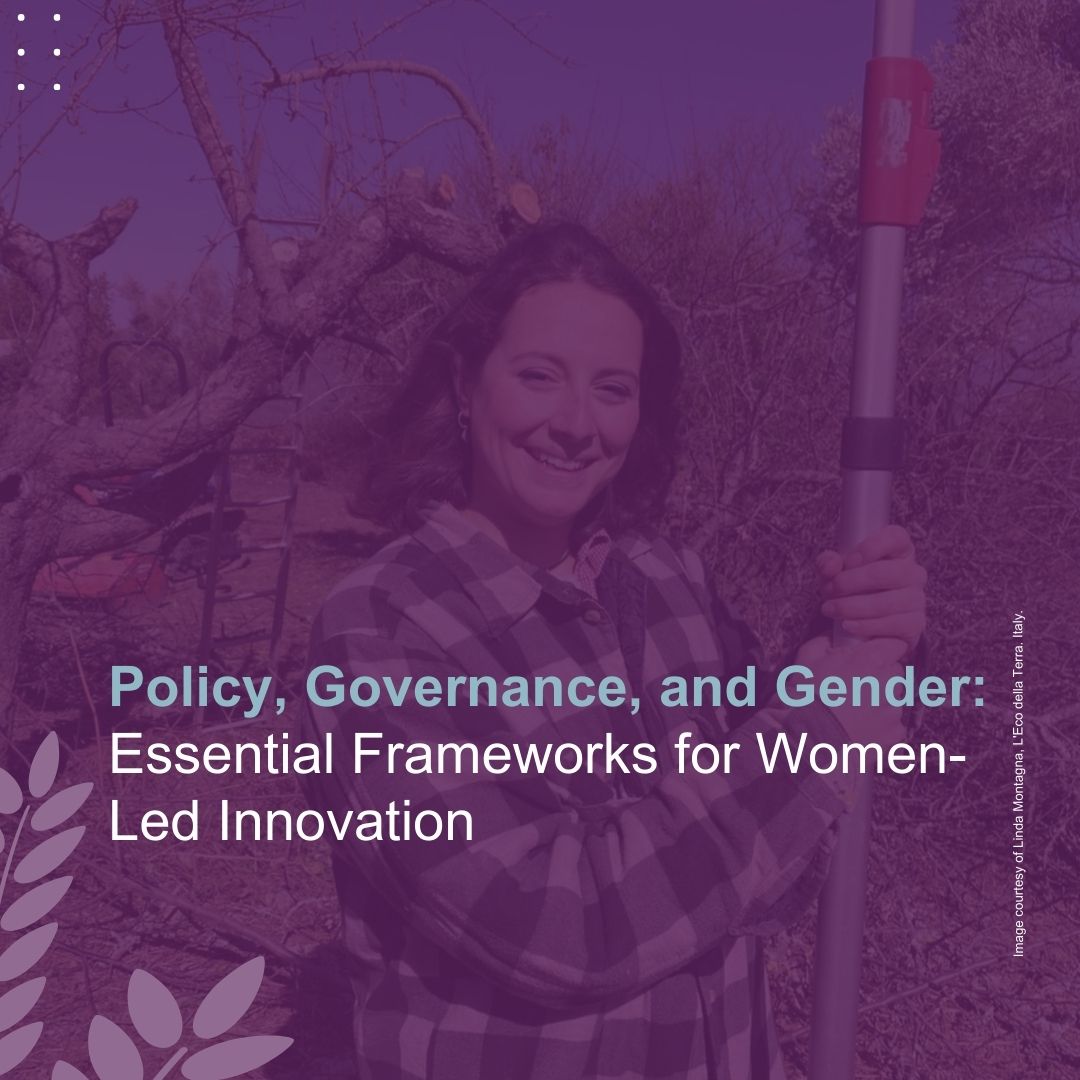
Innovation within the FLIARA project focuses on women led innovation, which FLIARA asserts, constitutes a distinct type of innovation that may be technological, political, social and/or link to markets. The distinctive feature of women-led innovations link to gender and to the common disadvantages shaping the lives of rural women innovators and other rural women.
Through the innovative perspective, FLIARA shows that women-led innovation journeys are diverse, driven by aspirations ranging from improving rural lives to addressing sustainability and personal well-being. It highlights that these innovations develop within complex ecosystems that provide critical resources, knowledge, and networks, while also recognising the challenges posed by resistant rural innovation systems.
What do the Innovation Perspective Concept Notes provide?
- The concept notes introduce matters of gender inequality into the innovation process which aids in the identification of opportunities and challenges for women innovators.
- They provide an insight to how women innovators create, develop, and diffuse solutions across society.
- They unveil subtle external factors that can work to support or hinder women innovators.
Explore the Concept Notes to learn more:
Concept note 20, Innovation Process, adapts previous assumptions around the innovation process and identifies 5 dimensions to women led innovation processes:
1) triggers/motivators for innovations;
2) preparatory activities;
3) concrete innovations;
4) impacts of innovations and
5) diffusion of innovations through different forms of scaling. The diversity of scaling innovations is highlighted each of which have impacts at different levels.
Concept note 21 promotes the idea of challenging gender stereotypes in innovation through visibility, to promote more uptake of women in the innovation and enterprise sector through the establishment or designation of Innovation Ambassadors.
Concept note 23 explores the PESTE (PESTE stands for Political, Economic, Social, Technological, and Environmental factors) tool as a means of gaining a deeper understanding of the external factors that may impact sustainability innovations, and how these factors may interact with one another and with internal factors to effect women led innovation.
Concept note 24 unpacks AKIS – Agricultural Knowledge and Innovation Systems from a gender perspective to understand how knowledge is produced, how it is shared and who uses it spotlighting different needs of women and men in relation to knowledge and advice.
Concept note 25 looks at the process of co-innovation as a means through which innovation can occur and if it may be possible to speed up innovation through it.
Concept note 26 focuses on the LEADER programme as an important initiative to support women as innovators and support women led innovation.
Related materials