

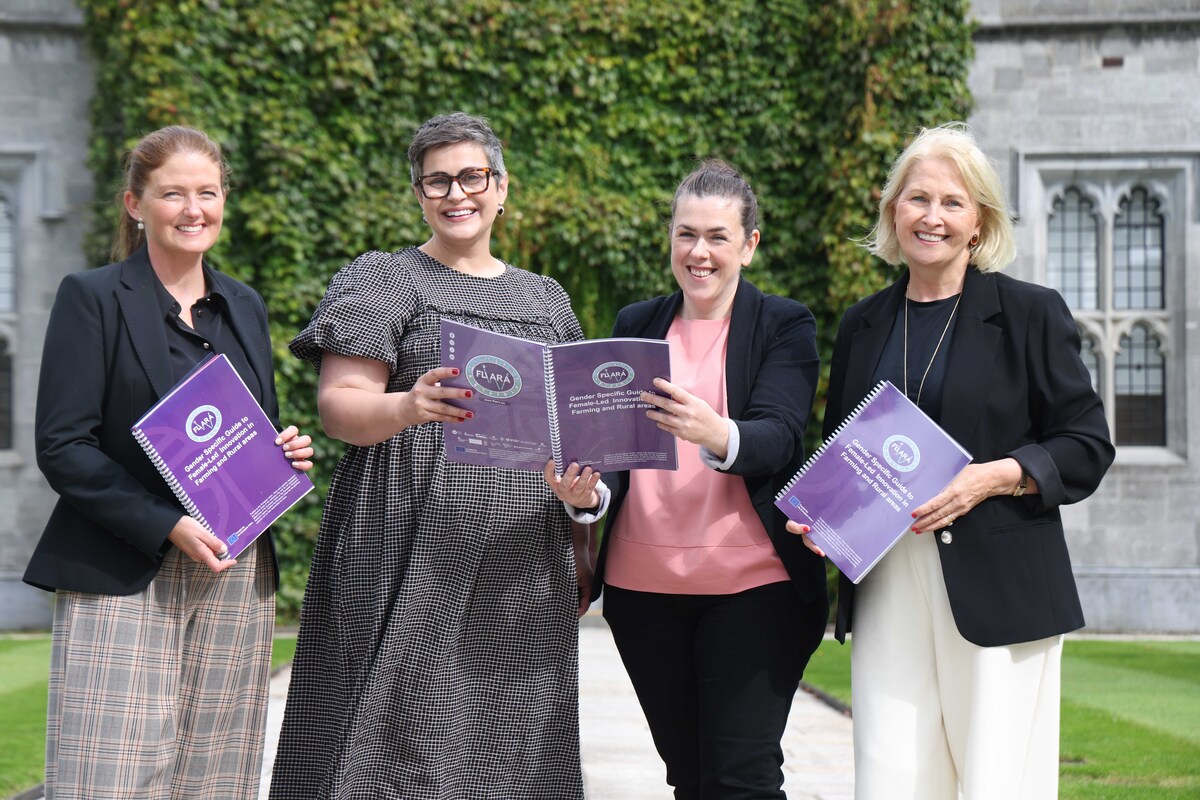
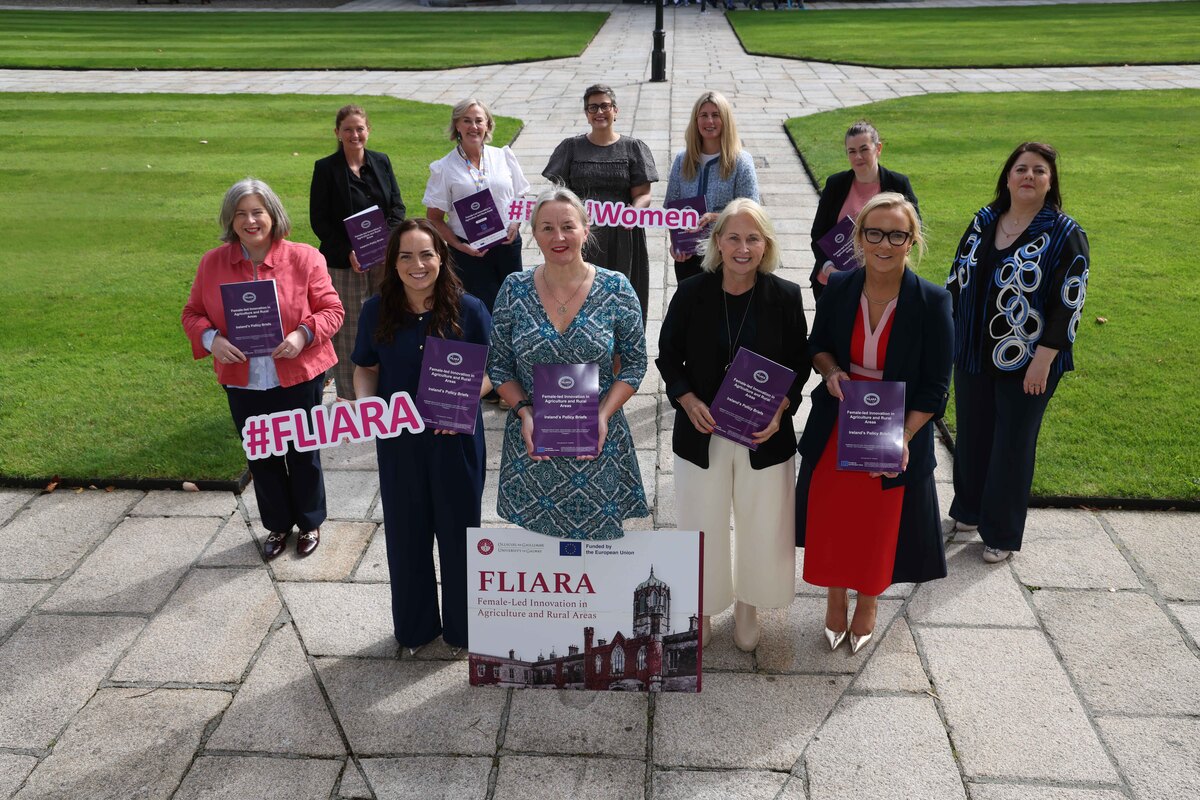
New research has set out a roadmap of recommendations to tackle persistent gender inequalities in Irish farming and rural enterprise, calling for urgent action on access to funding, representation, and training.
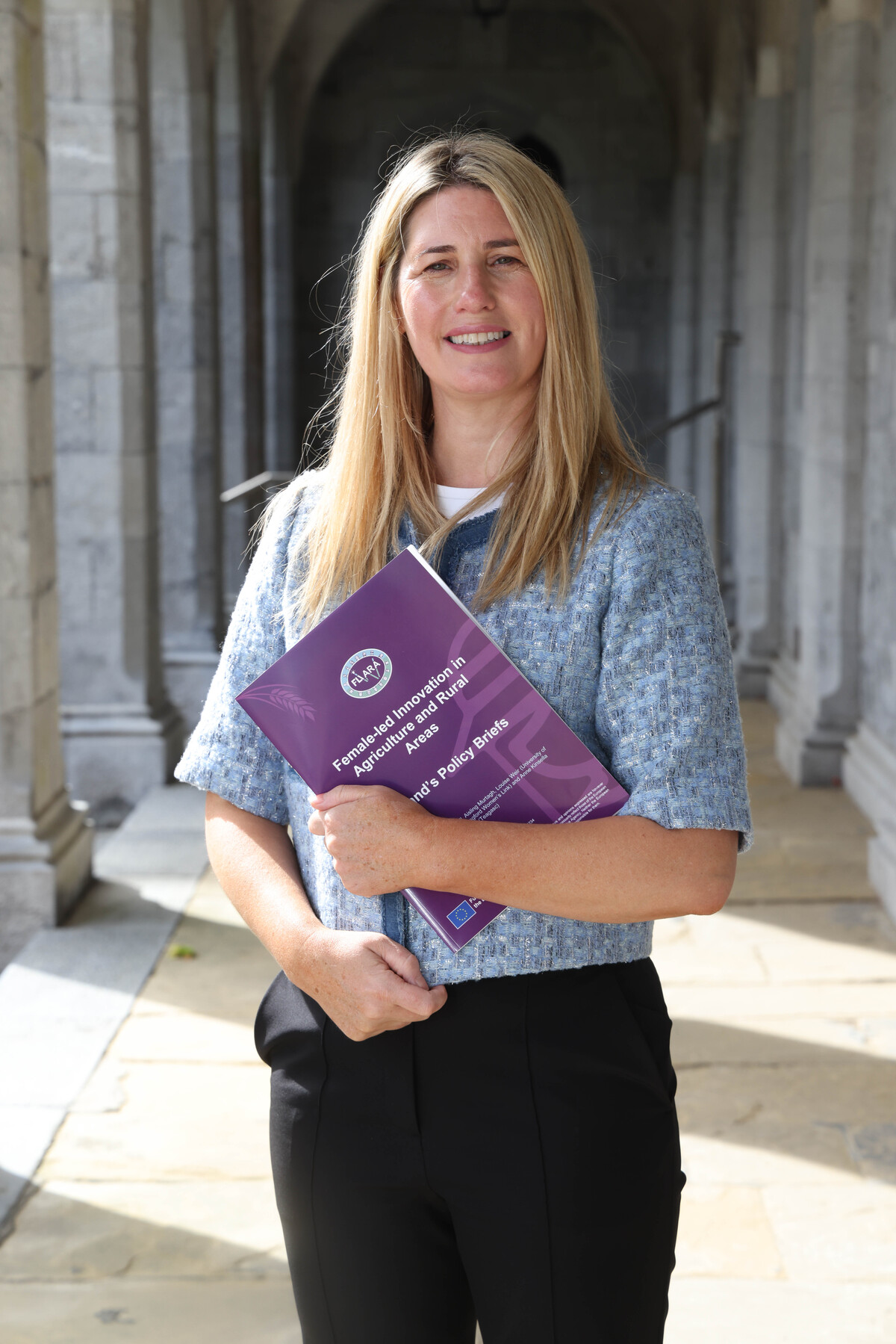
The study, published in a series of nine policy briefs, was produced by researchers from the University of Galway alongside Longford Women’s Link and Teagasc as part of the Horizon Europe-funded FLIARA project.
The recommendations come amid stark figures detailing the financial gap facing female agricultural workers. According to European Commission data, while women make up 31% of Common Agricultural Policy (CAP) beneficiaries, they receive just 15% of total payments. Men—accounting for 63% of beneficiaries—receive 69% of overall funding.
Official farm income statistics further highlight the divide: female-run farms earned an average of €18,700 per worker in 2023, representing 42% less than their male-run counterparts, with the gap widening over the course of that year.
Launched to coincide with the United Nations International Year of the Woman Farmer, the research sets out policy focus areas across nine distinct pillars:
- Finance: Tailoring access to funding at critical stages of business development.
- CAP Integration: Ensuring women are recognised as equal partners within the CAP Strategic Plan 2023–27.
- Decision-Making: Increasing female representation in governance and agricultural leadership roles.
- Education & Skills: Providing training suited to female-led farm and rural enterprises.
- Knowledge Systems: Improving gender inclusion within Agricultural Knowledge and Innovation Systems (AKIS).
- Digital Support: Better leveraging digital technology to empower women in rural communities.
- Generational Renewal: Linking the closing of the gender gap to the broader long-term sustainability of Irish farming.
- Empowerment: Addressing systemic barriers to equal participation.
- Work-Life Balance: Developing policy measures to support women managing business, family, and caring responsibilities.
Fine Gael MEP Maria Walsh, the European Parliament’s lead negotiator on generational renewal in farming, launched the series, stating that evidence-based recommendations were essential to building a fairer future for European agriculture.
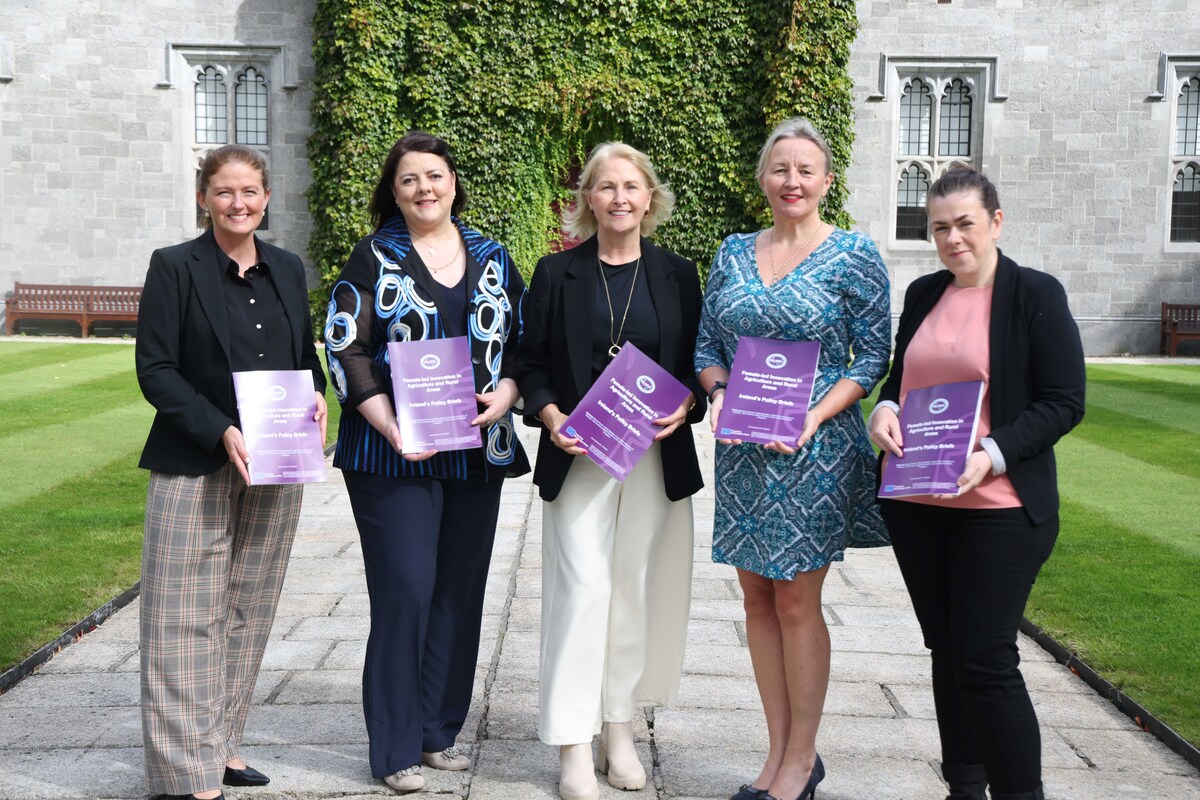
Lead researcher Professor Maura Farrell, of the University of Galway’s School of Geography, Archaeology and Irish Studies, said the project translates the lived experiences of women into practical measures for decision-makers. Co-researcher Dr Aisling Murtagh added that female innovators are already driving progress across rural Ireland, often without the formal recognition or resources required to scale their work.
The policy briefs are being shared directly with government departments—including the Department of Agriculture, Food and the Marine, and the Department of Rural and Community Development—alongside key sector bodies such as the Irish Farmers’ Association and the Irish Creamery Milk Suppliers’ Association.