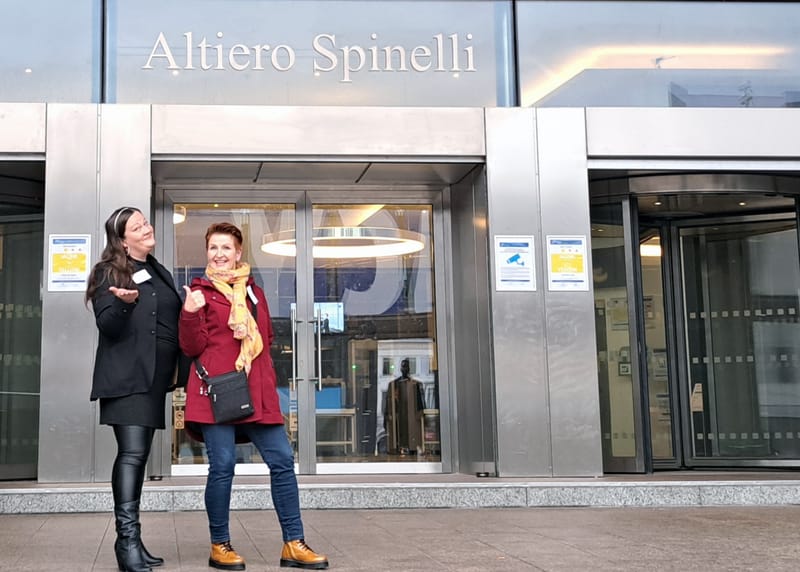
Welcome to the Final FLIARA Newsletter
|
|
|
As the FLIARA Project approaches its conclusion on 31 December 2025, we look back on three years of collaboration, innovation, and inspiration. From rural communities across Europe to European-level policy discussions, FLIARA has championed female-led innovation as a cornerstone for more sustainable and inclusive rural futures.
In this final issue, we celebrate our final achievements, highlight key resources, and share how you can continue engaging with the FLIARA legacy.
|
|
|
Europe’s Rural Future Is Female: FLIARA Final Conference Urges Structural Reform to Unlock Women-Led Innovation
|
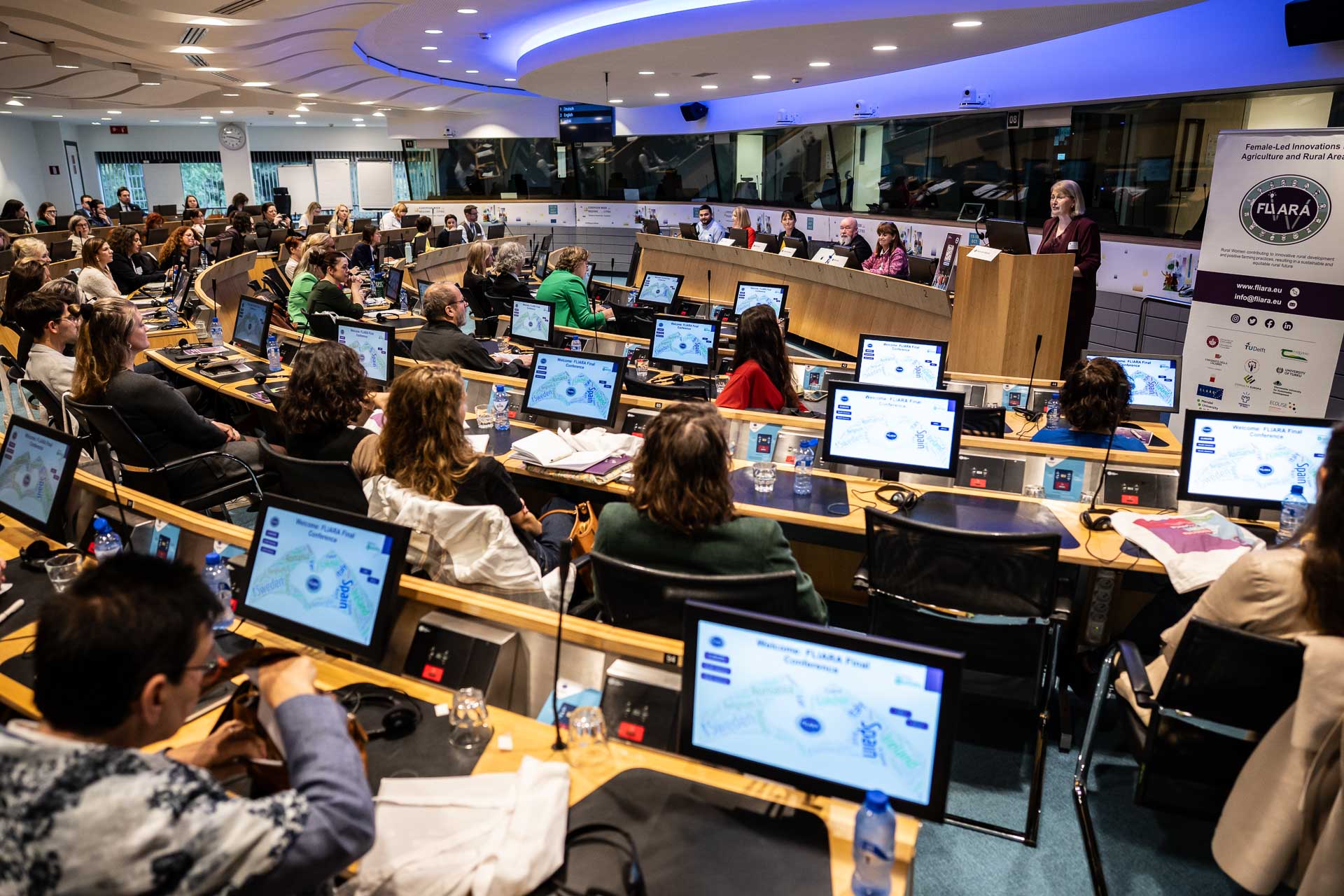
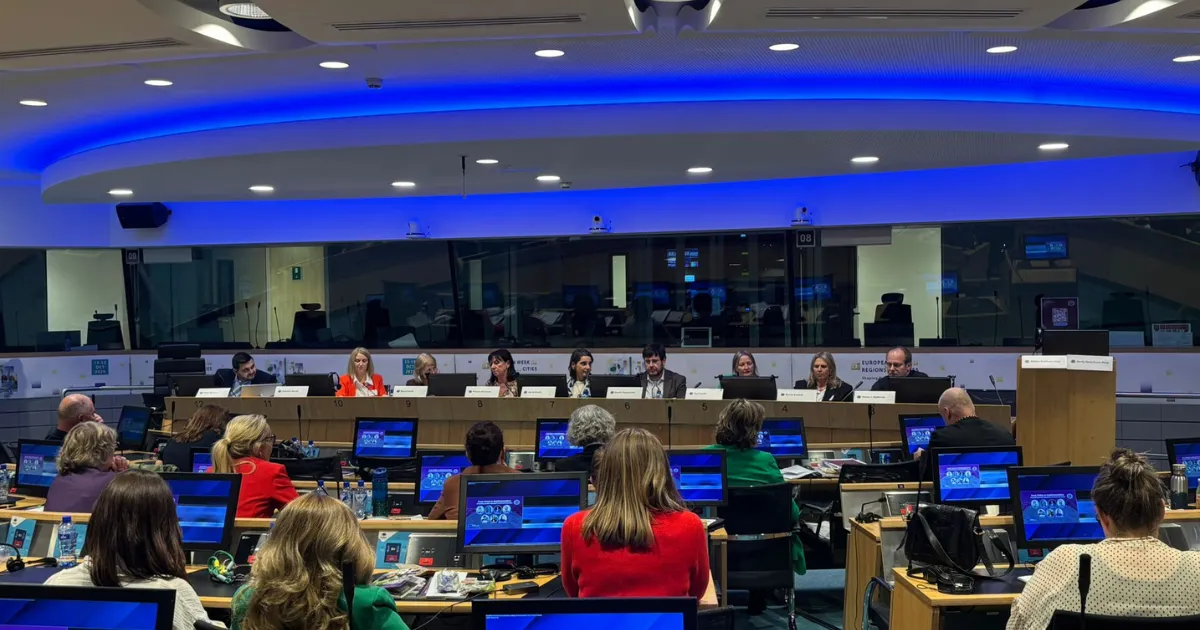
The Final Conference of the FLIARA Project opened in Brussels at the European Committee of the Regions on October the 17th, gathering more than one hundred participants in-person and over two hundred via streaming from across Europe and beyond. Researchers, policymakers, ambassadors, civil society actors, and innovation practitioners came together with a shared purpose: to recognise and strengthen the role of women in shaping the future of rural areas and sustainable farming.
|
|
|
FLIARA: Key Contributor to OECD Dialogue on Women in Food Systems
|
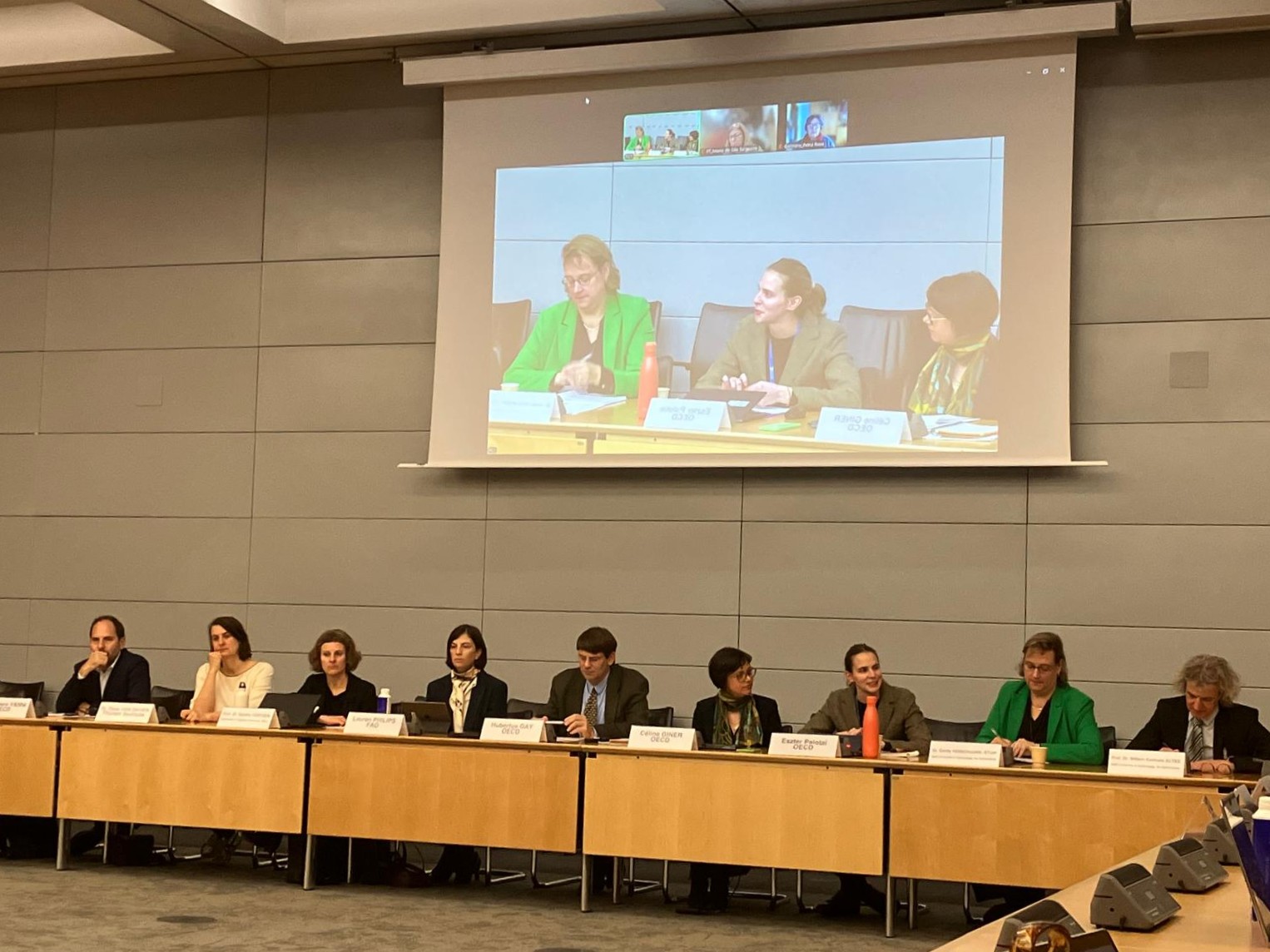
The FLIARA Project played a central, impactful role at the recent “Cultivating Change: Promoting Equal Opportunities in Food Systems” event on October 27, co-hosted by the OECD, the Netherlands, Ireland, and Spain. By presenting evidence and participating directly in high-level policy discussions, the project underscored its unique methodology of combining robust data with targeted female entrepreneur empowerment.
|
|
|
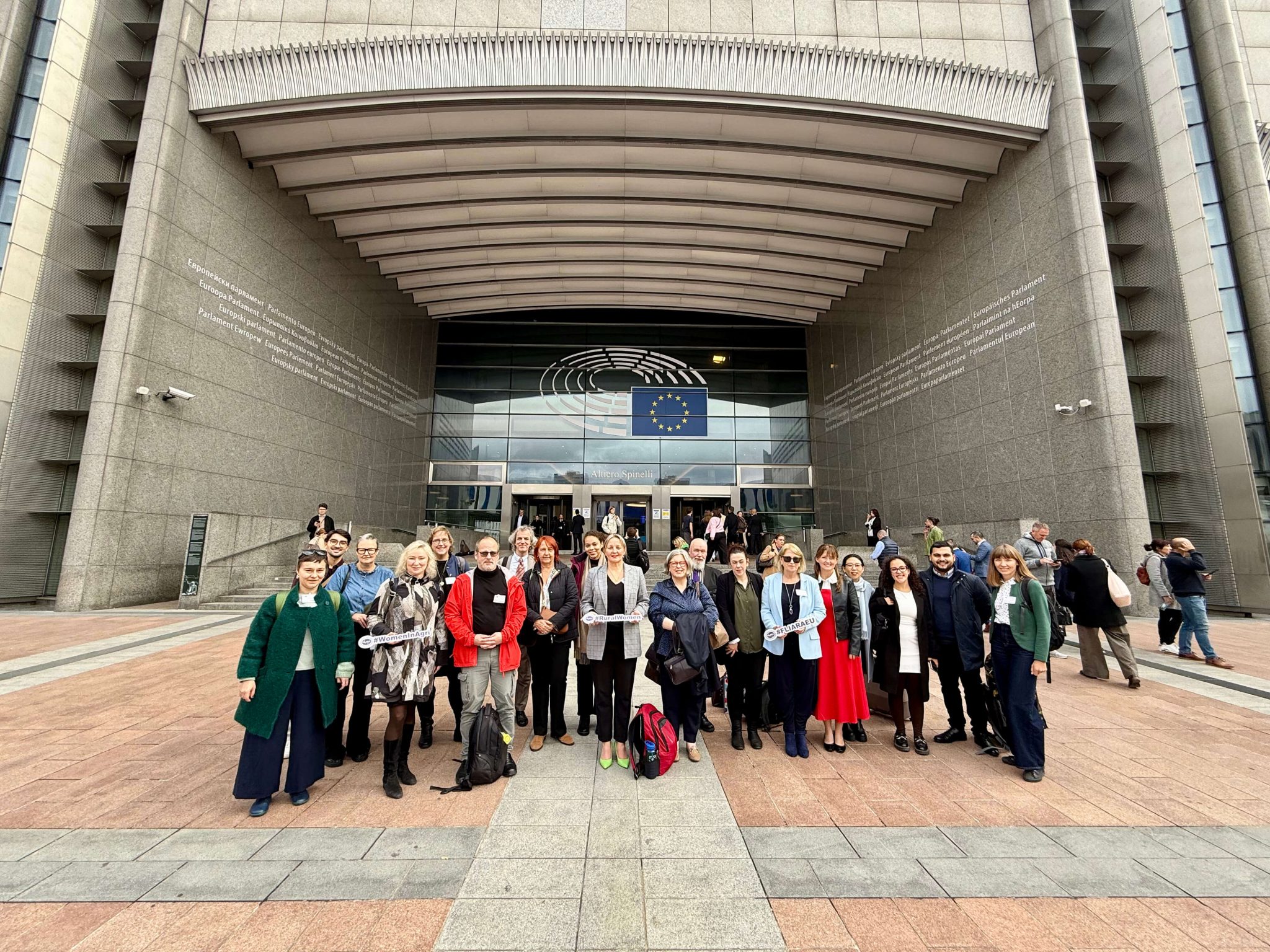
FLIARA Project Celebrated General Assembly at the European Parliament
|
The FLIARA Project celebrated its final in-person General Assembly at the European Parliament in Brussels on October 16th. The formal session, which gathered representatives from all 15 partner institutions, was hosted by Irish Member of the European Parliament (MEP) Maria Walsh and coordinated by the University of Galway team.
|
|
|
Exclusive Insights: The FLIARA Project’s Role in Empowering Women in Agriculture and Rural Areas
|
Across Europe, the contributions of women in agriculture and rural development are increasingly recognised as fundamental to sustainable regional growth. The FLIARA project is at the forefront of efforts to create a supportive ecosystem that empowers women as key drivers of progress in these vital sectors.
|
|
|
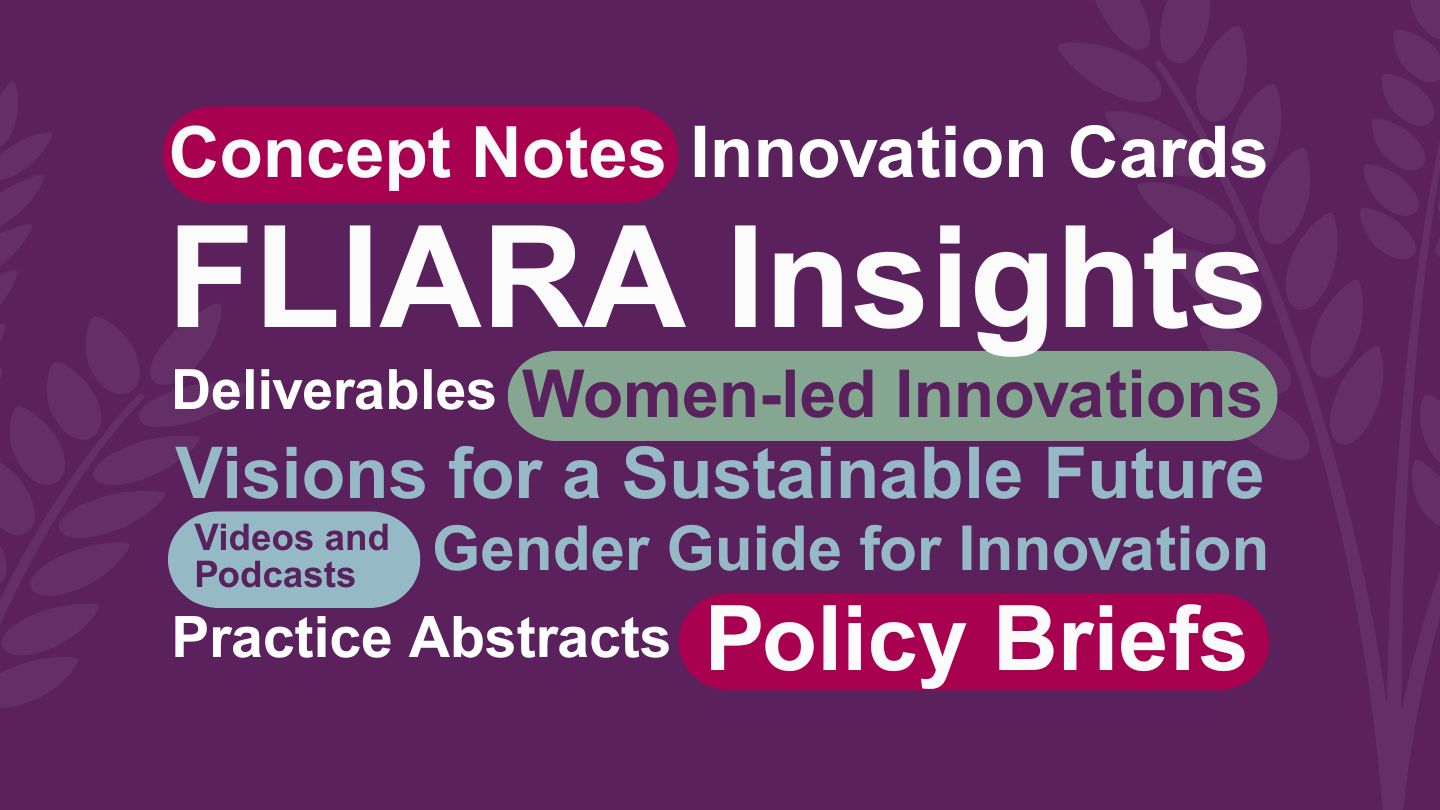
Alongside these major milestones and policy achievements, FLIARA also finalised several key resources designed to support rural innovators and practitioners beyond the project’s lifetime.
|
|
|
The FLIARA Toolkit brings together the project’s core methods, tools, and practical resources designed to support female-led innovation in farming and rural areas. Developed collaboratively across ten European countries, the toolkit provides step-by-step guidance for stakeholders—policymakers, advisors, rural organisations, and practitioners—who want to strengthen gender-responsive innovation ecosystems.
|
From methodologies for identifying female innovators to approaches for co-creation, networking, and scenario building, the toolkit offers actionable materials that can be adapted and applied long after the project ends. With its hands-on orientation and evidence-based design, the FLIARA Toolkit stands as a key legacy resource enabling communities to continue supporting women innovators across Europe.
|
|
|
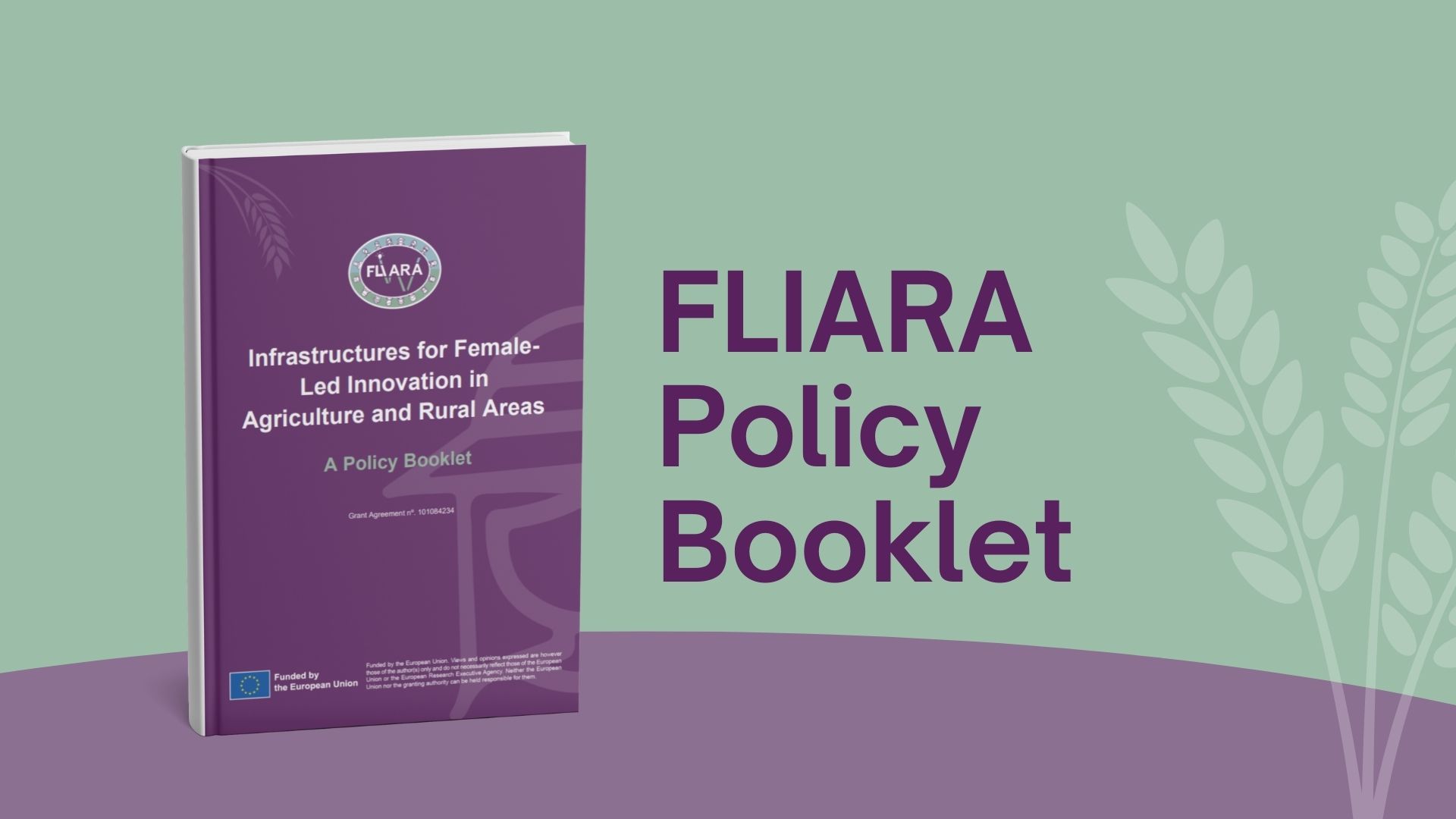
FLIARA Policy Booklet for Inclusive EU Rural Innovation
|
This forthcoming Policy Booklet is a comprehensive guidebook, designed not merely to observe existing policy gaps but to serve as a guide for actionable institutional change. It represents the culmination of extensive fieldwork, data analysis, and engagement with stakeholders across the continent, translating complex findings into clear, pragmatic recommendations for policymakers at the local, national, and European levels.
|
|
|
Gender Guide to Female-led Innovation
|
The key role of women in driving innovation within European agriculture and rural areas has historically been under-recognised, a deficit which limits the overall dynamism and sustainability of the sector. It is this systemic oversight that the FLIARA project was established to address. A central output of this significant research endeavour is the forthcoming Gender Specific Guide to Female-Led Innovation in Farming and Rural areas (Deliverable D4.5). This guide provides a comprehensive resource , poised not merely to document current practice but to fundamentally strengthen the prevailing narrative surrounding rural and farm enterprise and innovation by making it more inclusive.
|
|
|
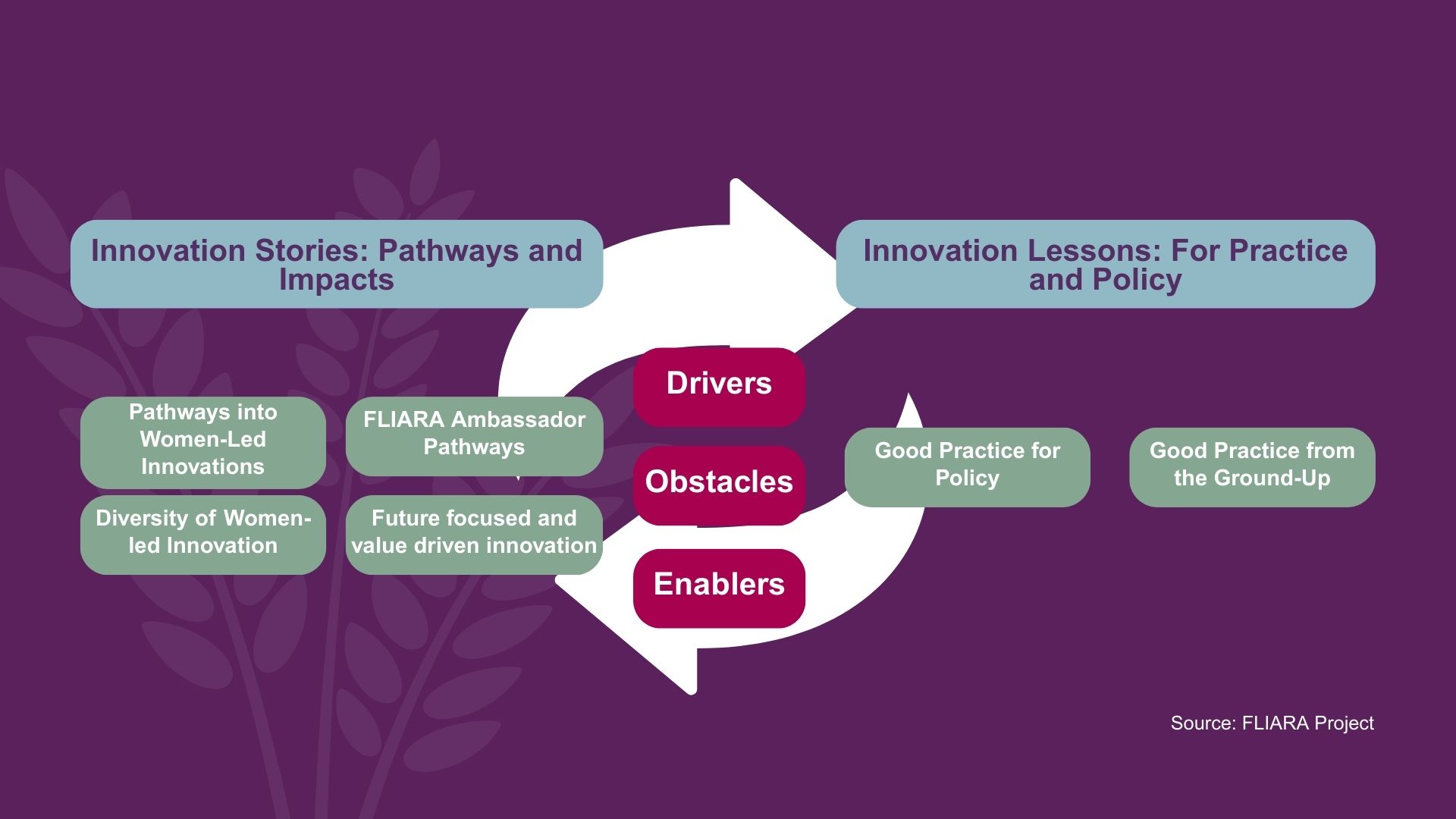
Policy Infrastructures for Female-Led Rural Innovation
|
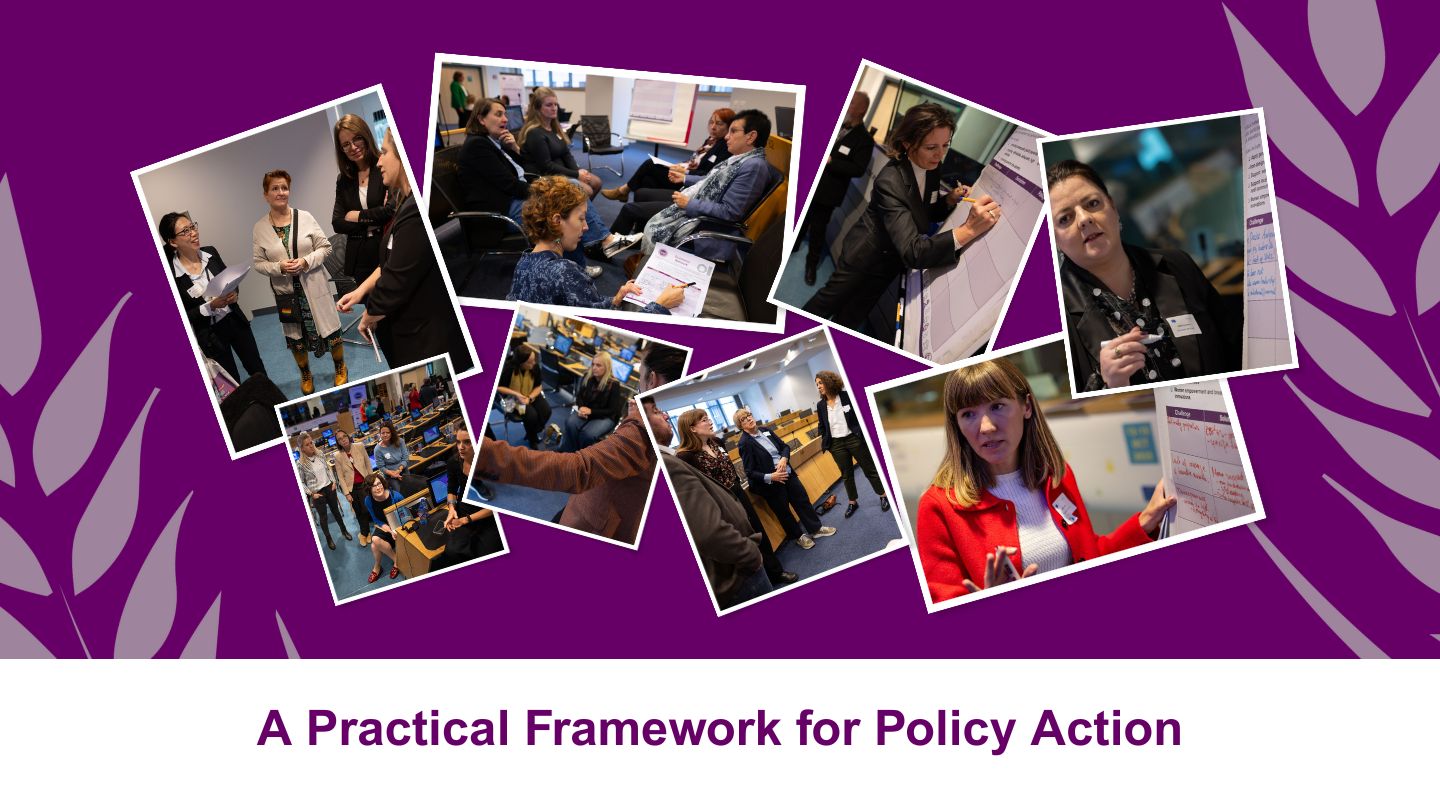
After almost three years of research and collaboration, the FLIARA project has produced 58 policy briefs that translate evidence on women-led innovation in agriculture and rural areas into practical guidance for policymakers across Europe.
|
|
|
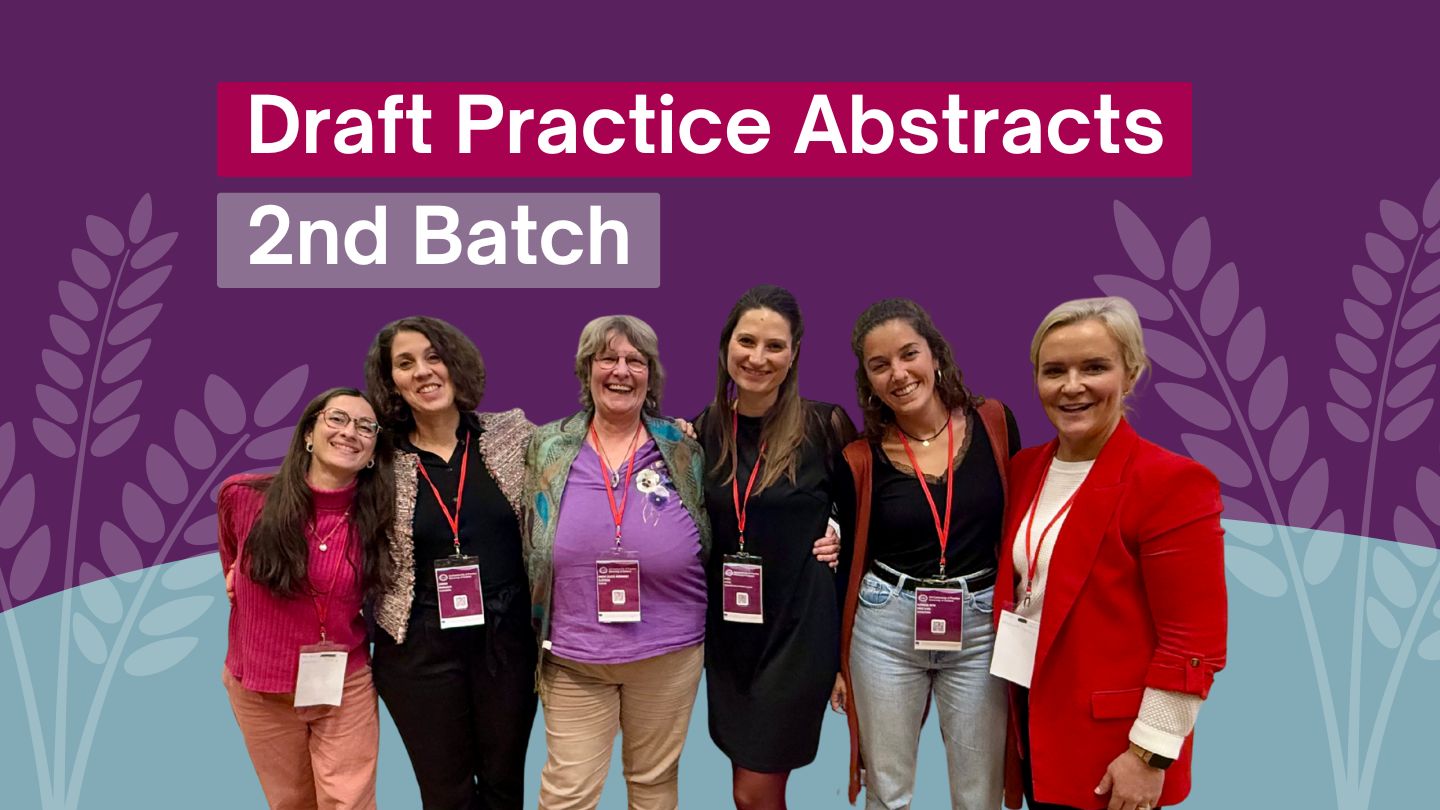
Draft Practice Abstracts Available: Translating Research into Practice for Rural Innovation
|
The primary purpose of producing these practice abstracts is to maximise the usability and adoption of the project’s outcomes across the continent. Recognising the limited time of end-users, the consortium significantly surpassed its mandatory requirements, generating fifteen abstracts that span the entire breadth of the project, from foundational concepts to policy design.
|
|
|
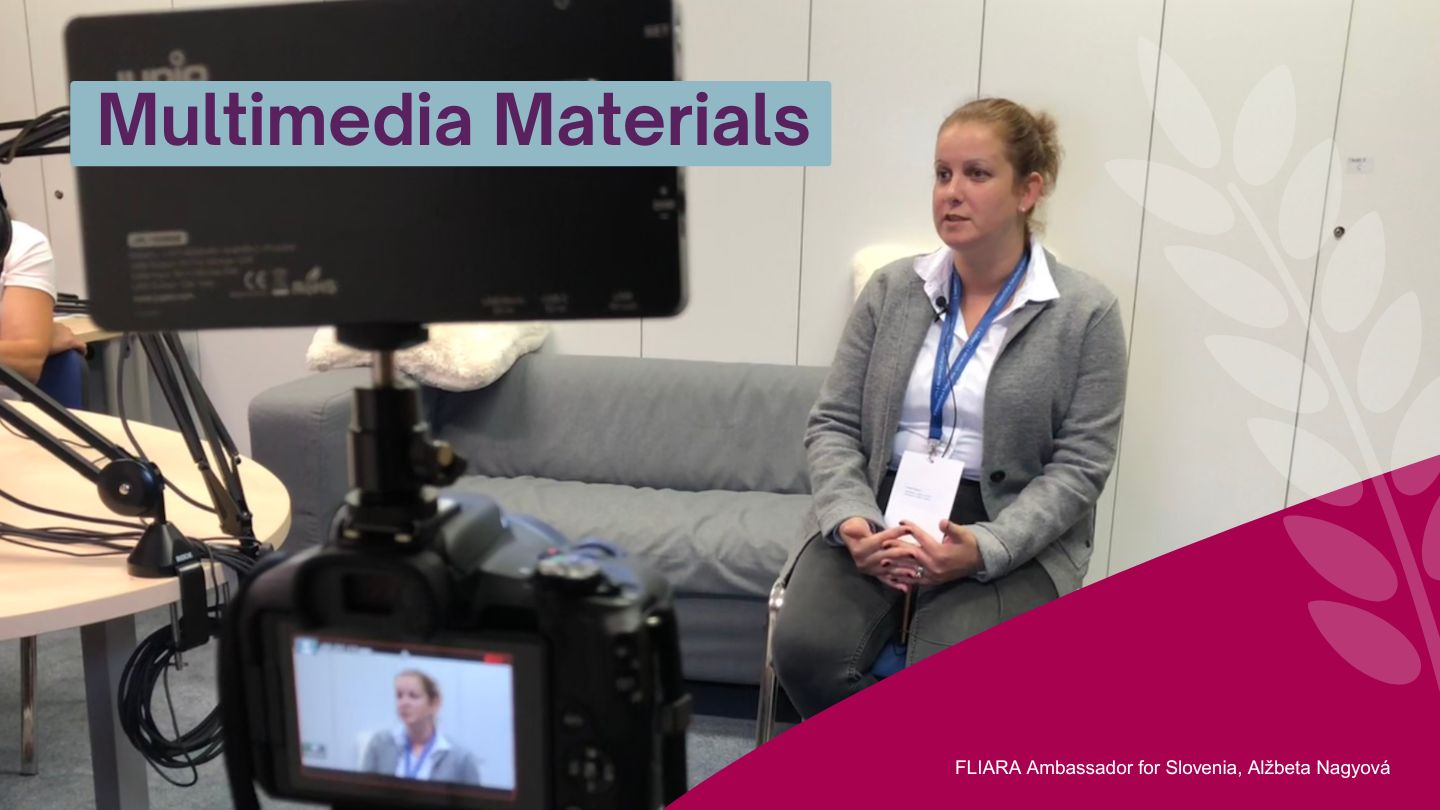
Watch our Videos and Podcasts
|
And if you prefer to listen and watch, FLIARA’s stories come alive through videos and podcasts capturing the voices and visions of these women innovators.
|
Discover our collection of recorded interviews, discussions, and storytelling materials developed with FLIARA Ambassadors. These multimedia pieces celebrate the diversity, creativity, and impact of female-led innovation across Europe.
|
|
|
FLIARA Stories:
Meet the Ambassadors
|
|
|
Through a series of profile interviews, the FLIARA Ambassadors share their experiences as innovators, leaders, and changemakers in agriculture and rural areas. Their journeys illustrate how visibility and community can empower more women to step into leadership roles.
|
|
|
|
|
A Buzz of Change: Natalia Díaz and the Rural Revolution of Ecoalpispa
|
Nestled in the rugged hills of Icod de los Vinos in northern Tenerife, Spain, a quiet revolution is unfolding—one led not with banners or slogans, but with beeswax and resilience. Natalia Díaz, biologist and ecological beekeeper, is the woman behind Ecoalpispa and La Abejera, two intertwined ventures that are redefining rural innovation, one eco-wrapping at a time.
|
|
|
From Lupins to Leadership: The Rural Innovation of Linda Kelly
|
In the heart of Baden-Württemberg, where fertile fields stretch towards the foothills of the Alps and the breeze carries a hint of Lake Constance’s freshness, an agricultural transformation is quietly taking root. At its centre stands Linda Kelly — organic farmer, innovator, and award-winning entrepreneur — who, alongside her husband and parents, is redefining the future of farming with vision, determination, and a remarkable little legume: the sweet lupin.
|
|
|
|
|
|
Rooted in Resistance: The Feminist Farm of Sofia De Matteis
|
On the slopes of Santa Caterina dello Ionio in Italy, where the Ionian breeze carries stories of ancient rural life, Sofia De Matteis is rewriting the script of innovation—not with machines or silicon chips, but with donkeys, wild artichokes, and a feminist compass.
|
|
|
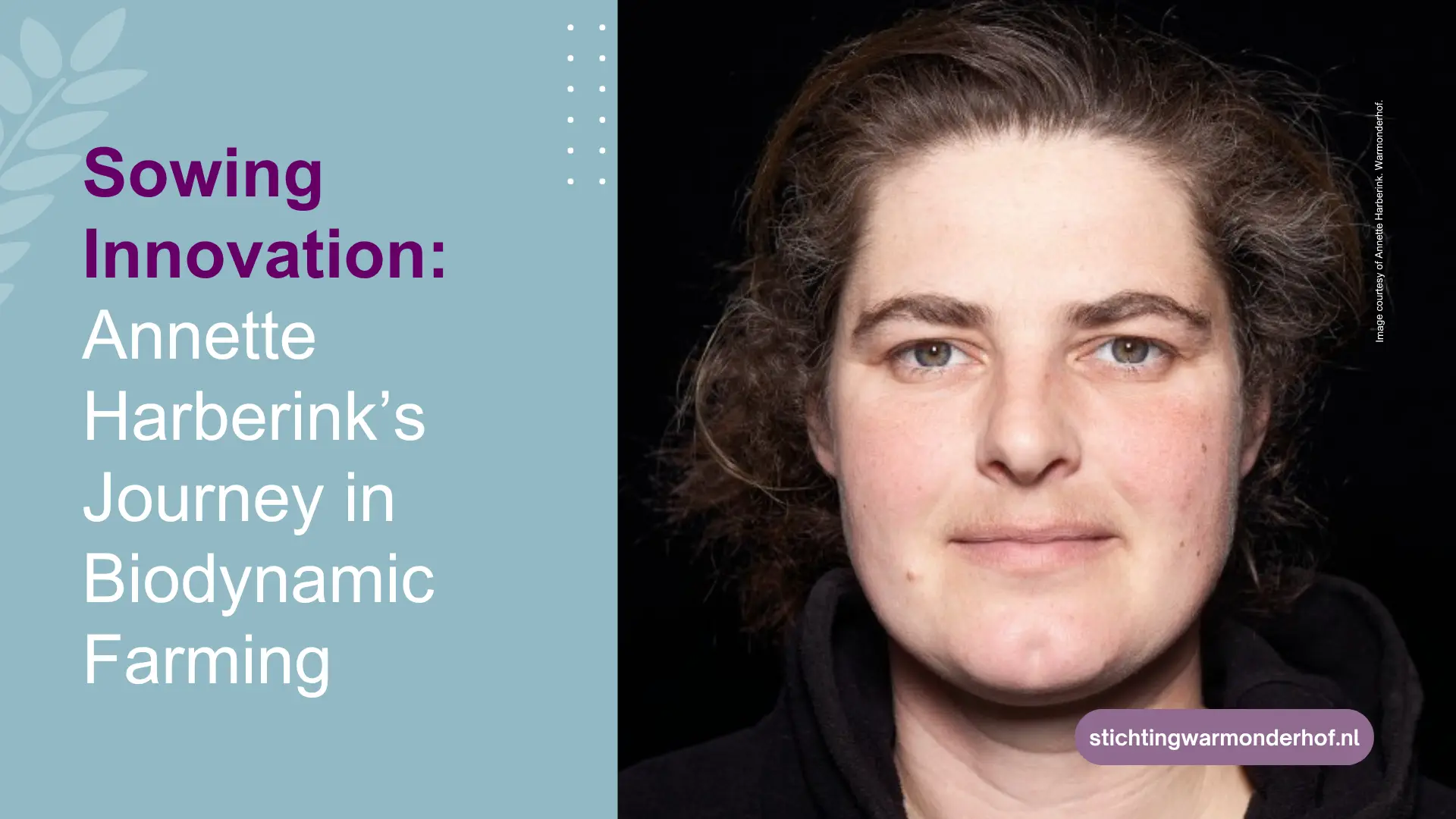
Annette Harberink: “Innovation Grows Where Values Take Root”
|
It was during the FLIARA Community of Practice event in Ireland—buzzing with conversation, collaboration, and shared ideals—that we had the chance to sit down with Annette Harberink, a leading voice in biodynamic agriculture in the Netherlands. In a sea of innovation narratives, hers stands out not just for its vision but for its grit and groundedness.
|
|
|
|
|
|
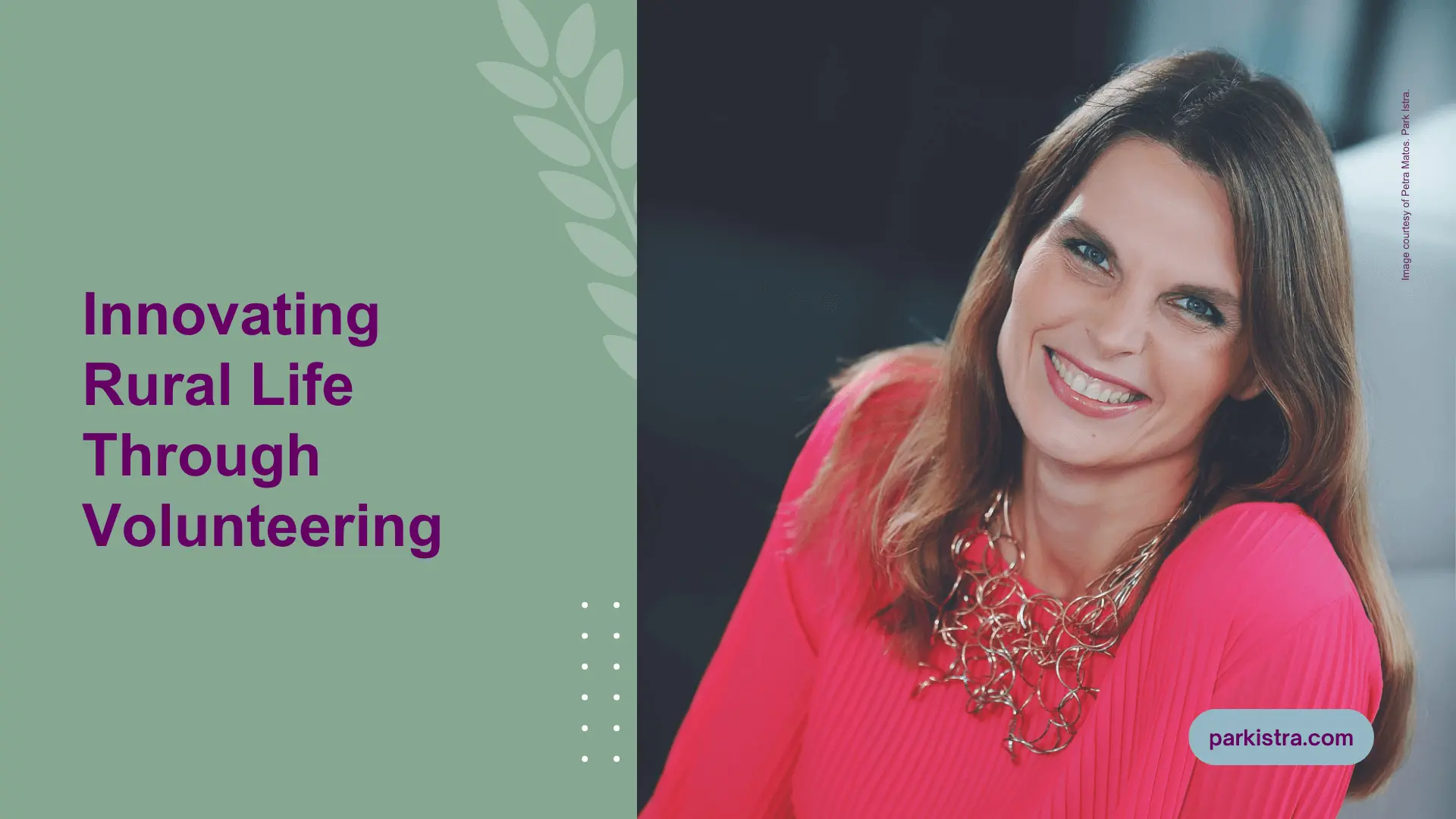
Petra Matos: Planting Seeds of Solidarity in Rural Slovenia
|
On the rolling green hills of Slovenia’s Primorska region, a modest former military guardhouse has been transformed into something extraordinary: a thriving hub of solidarity, learning, and global cooperation. At its heart is Petra Matos, a geographer whose life mission is as clear as the summer skies that stretch above her community project, Park Istra.
|
|
|
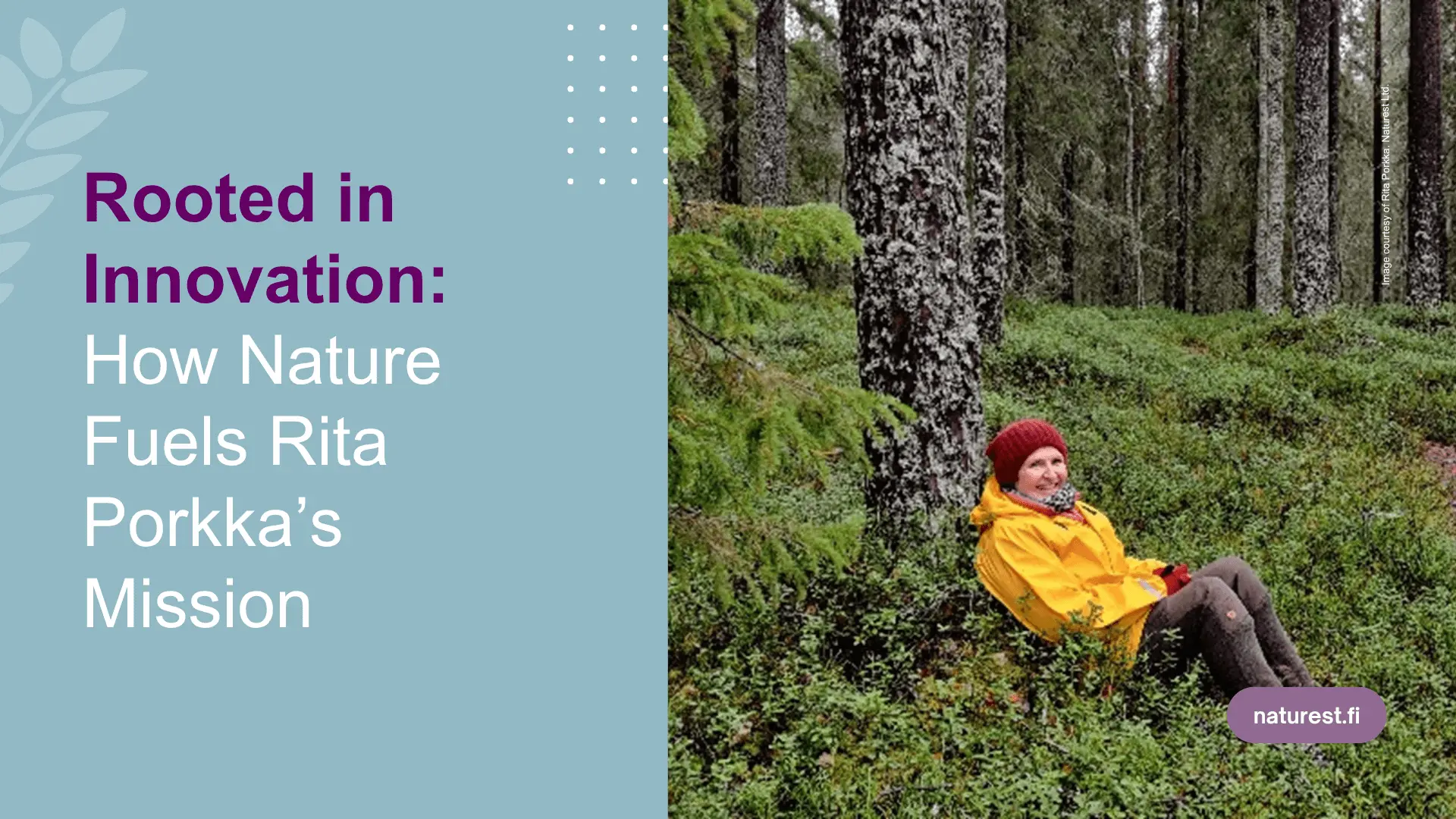
Rooted in the Forest: The Innovation Journey of Rita Porkka
|
For years, Rita worked on rural development projects, weaving connections between communities, landscapes, and livelihoods. But after two decades, she felt a shift stirring inside her. “I wanted to do something different,” she recalls, her voice calm yet determined. “I had so much expertise and experience from my work, and I realised I could use it to create something of my own.”
|
|
|
|
|
|
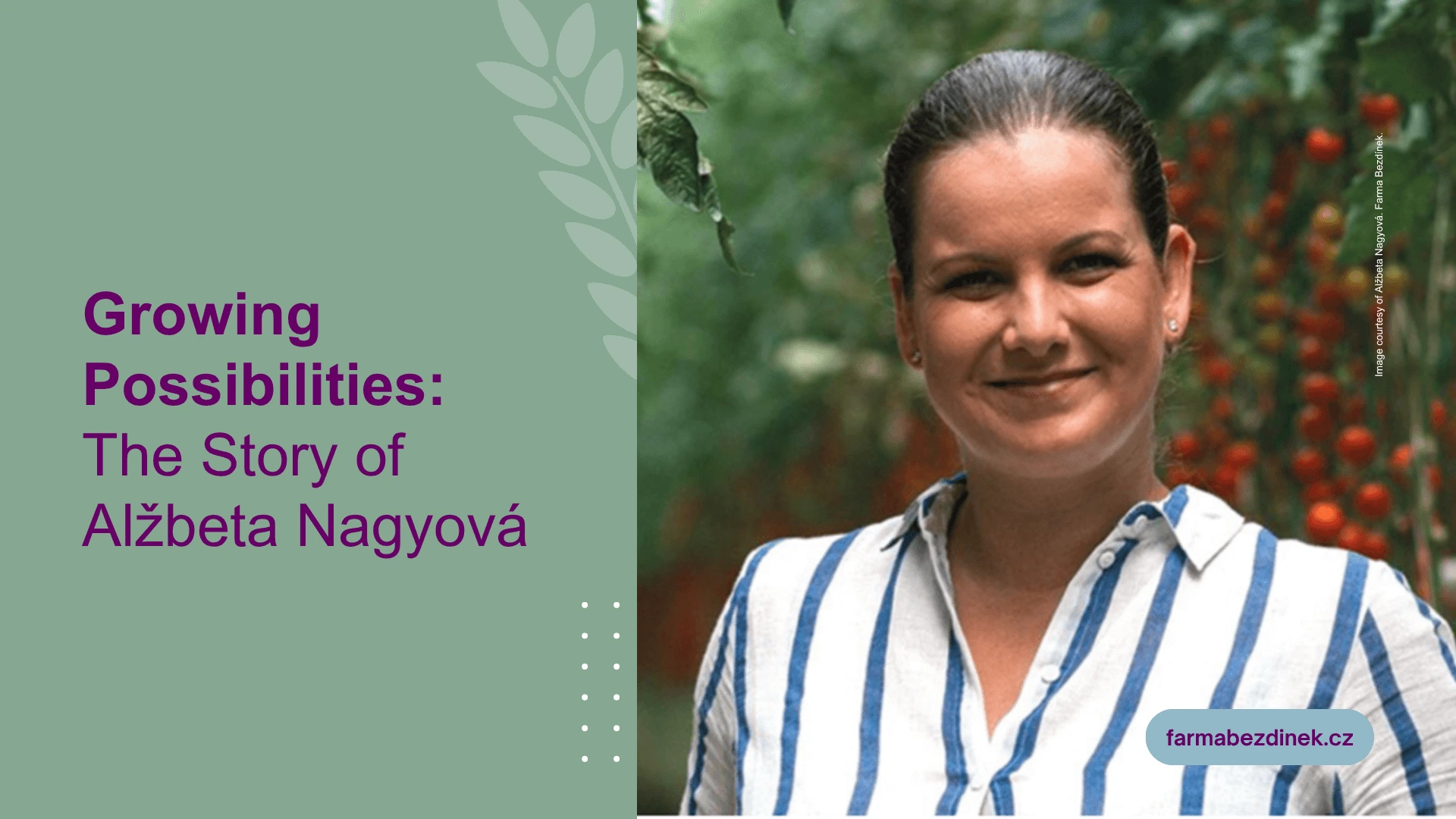
Cultivating Change: How Alžbeta Nagyová is Redefining Green Farming in Czechia
|
“I never thought my career would lead me here,” Nagyová admits with a smile. A graduate of Comenius University in Bratislava, she earned her Ph.D. in microbiology and virology before beginning her career at the Slovak Academy of Sciences, where she specialised in plant viruses. Yet, when the opportunity arose to bring her scientific expertise into agriculture, she embraced it.
|
|
|
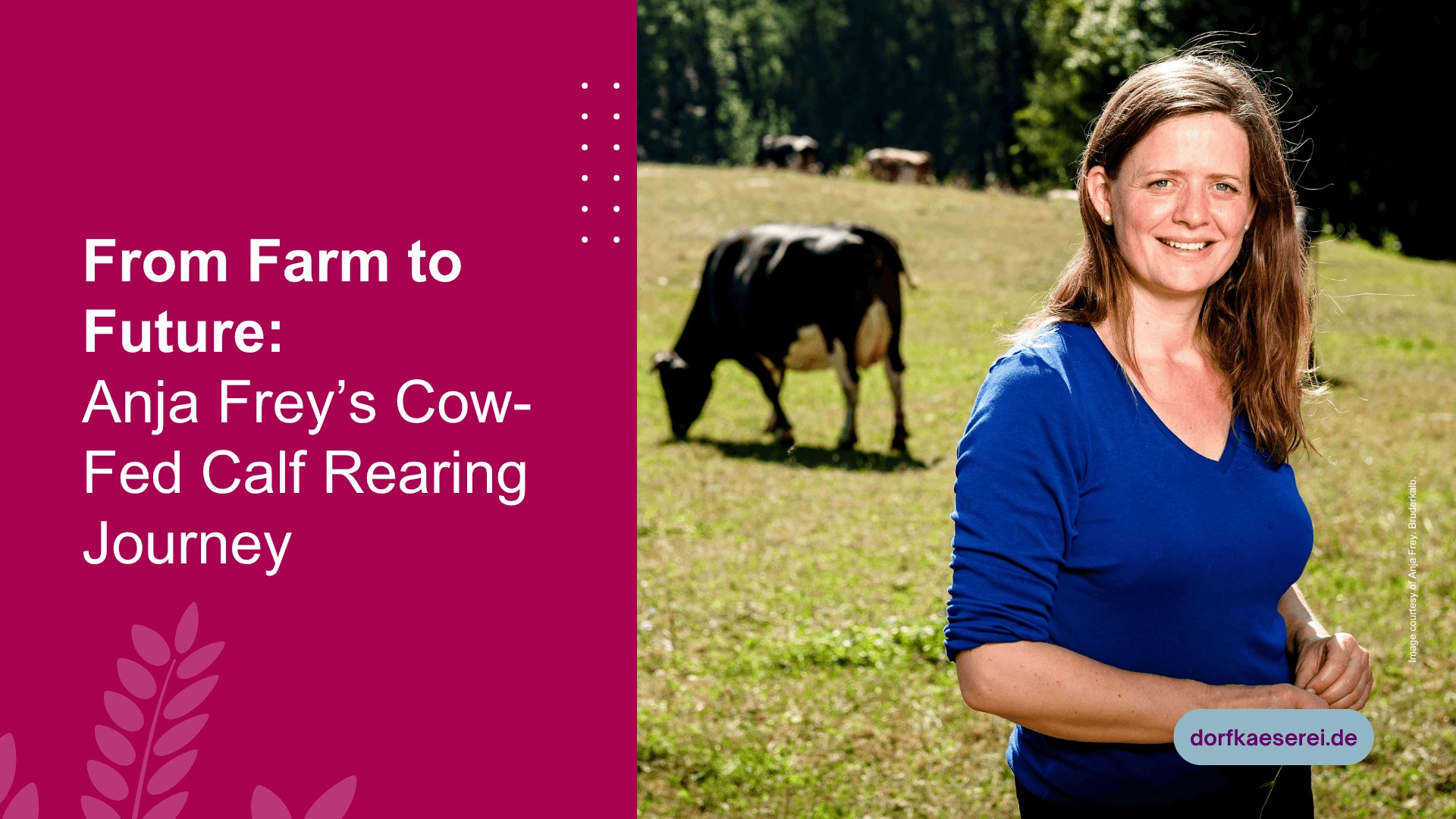
Anja Frey: Redefining Calf Rearing Through Innovation and Persistence
|
When Anja Frey speaks about her work, her voice carries a mix of determination and warmth. A farmer, value chain manager, and passionate advocate for animal welfare, she has spent more than two decades reshaping the way calves are raised on dairy farms. Today, she leads a pioneering effort in southern Germany that combines sustainable farming, high animal welfare standards, and fair market opportunities for rural communities.
|
|
|
|
|
|
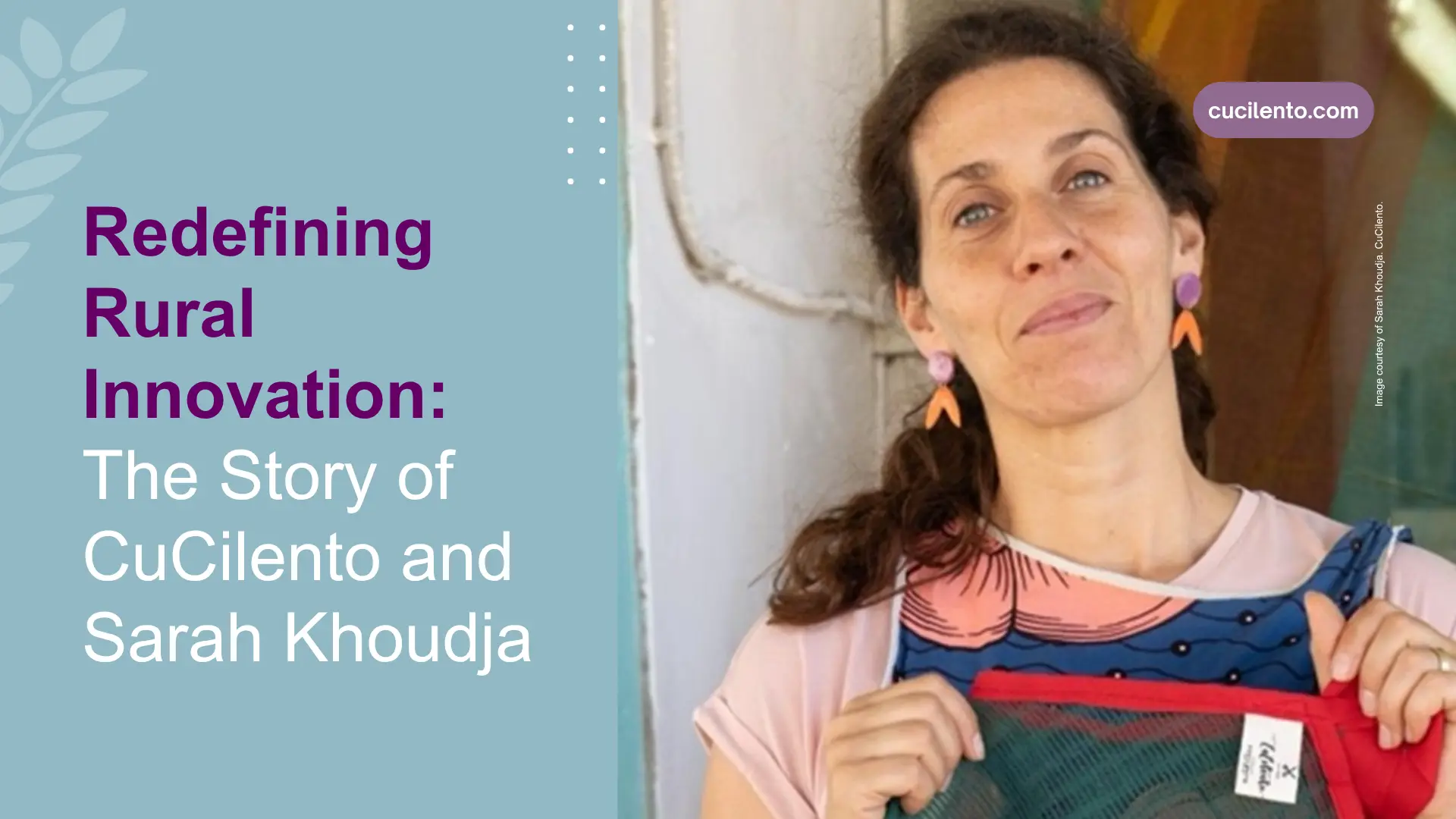
From Discarded Nets to New Futures: The Story of Sarah Khoudja and CuCilento
|
French-born innovator Sarah Khoudja has built a quiet revolution in Italy. Four years ago, after leaving behind a demanding career in Brussels as a project manager, Sarah chose a slower, more purposeful life. The result was CuCilento, a workshop where discarded agricultural and maritime materials are given a second life—an initiative that is as much about environmental sustainability as it is about women’s empowerment.
|
|
|
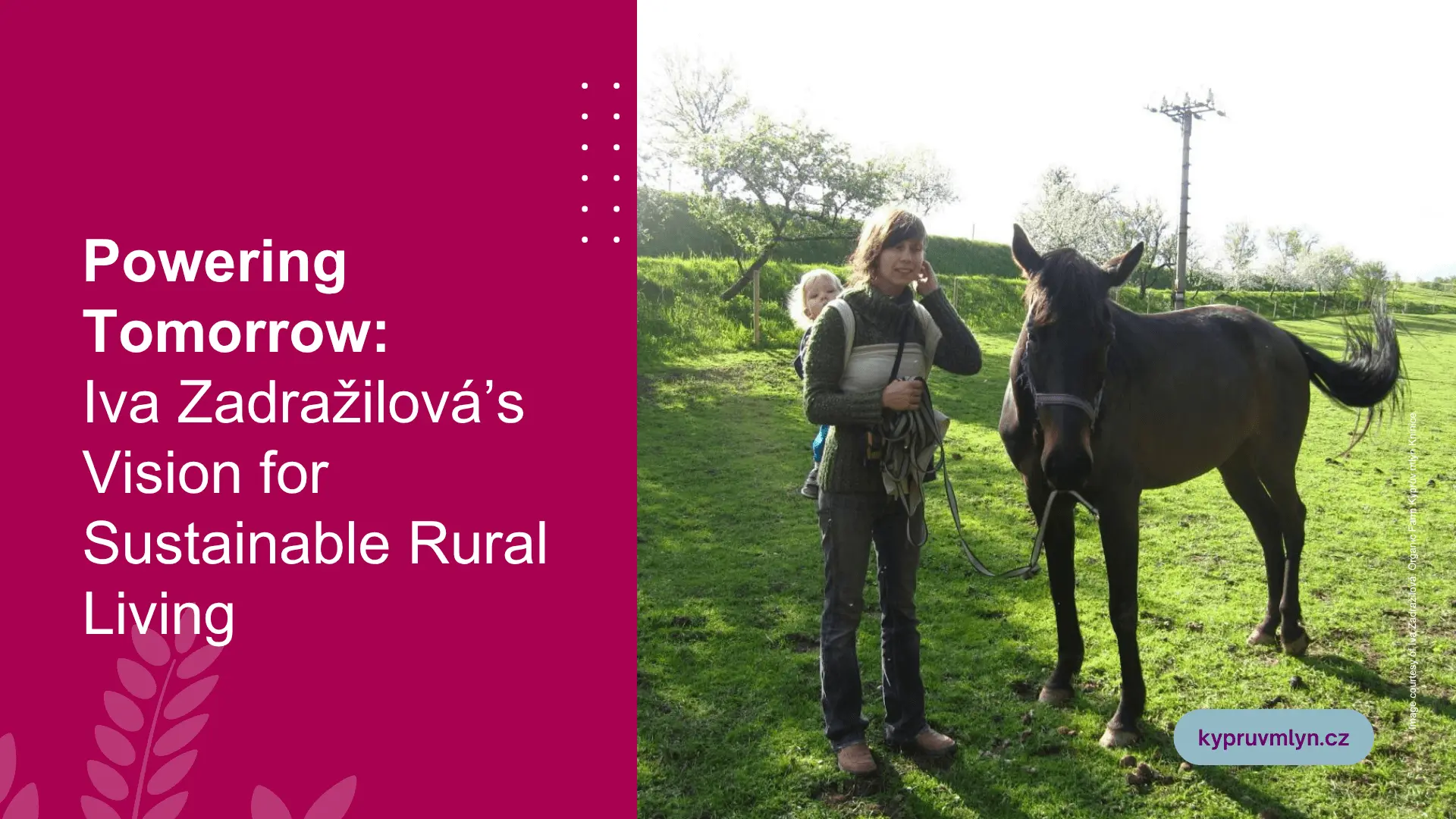
Iva Zadražilová: Cultivating Change, Rooted in Tradition
|
In the rolling countryside of the Czech Republic, where the meadows brush against fields of grain and the sound of sheep bells echoes through the valleys, stands a farm that is far more than a patch of land. It is the heart of an innovation story led by a woman whose determination and vision have reshaped the agricultural landscape around her.
|
|
|
|
|
|
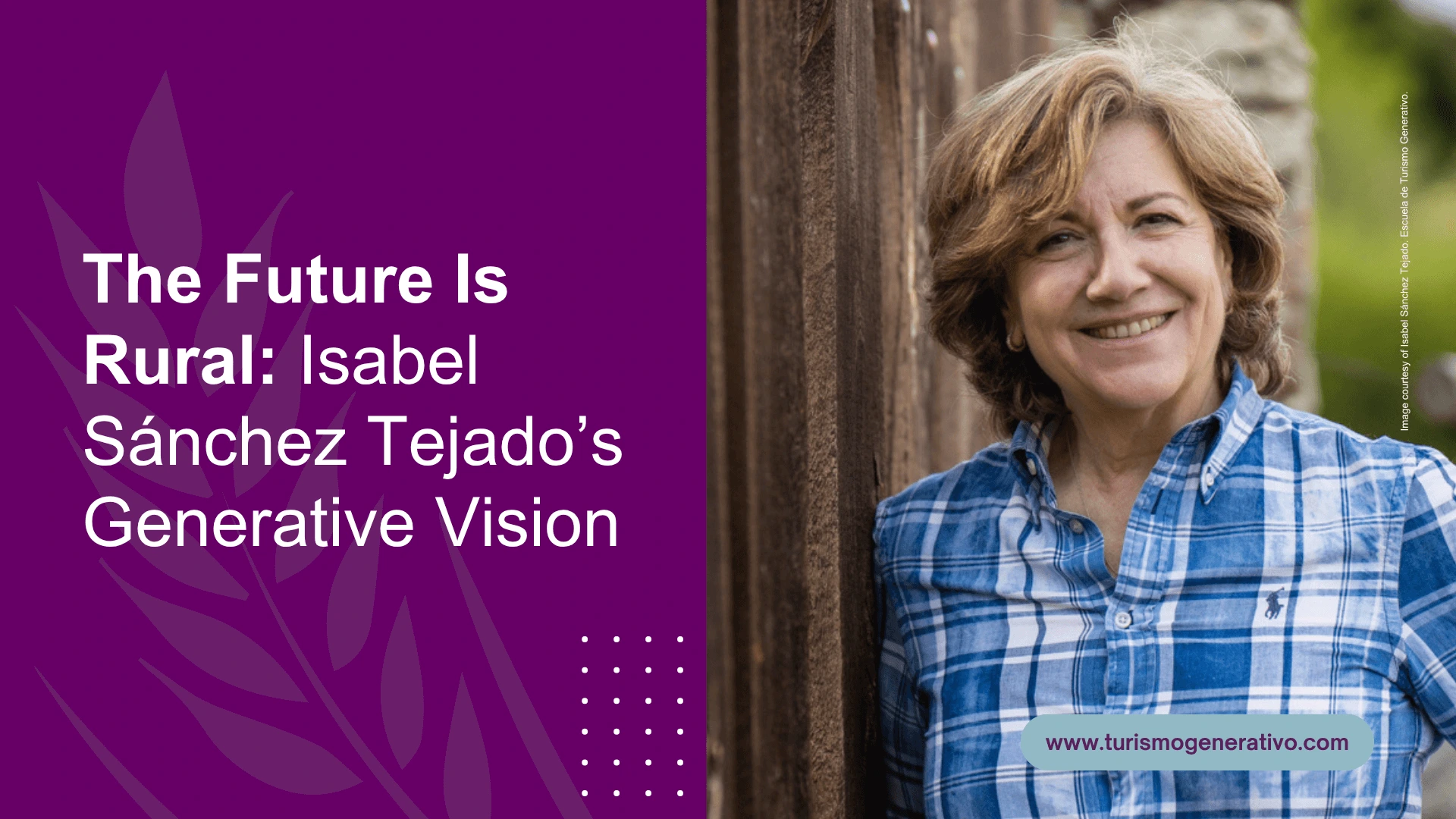
Isabel Sánchez Tejado: Redefining Rural Tourism with a Generative Vision
|
When Isabel Sánchez Tejado left behind a three-decade career in multinational corporations such as IBM and Price Waterhouse, she didn’t imagine her next chapter would be written in the quiet landscapes of Spain’s Sierra de Gredos. Yet, it was precisely there—amid mountains, traditions, and a community grappling with depopulation—that she found her purpose: to prove that the future can also be rural.
|
|
|
Fields of Creativity: The Innovation Journey of Sonja Jokiranta
|
Sonja Jokiranta, founder of Fields of Creativity (Luovuuden Lakeus), has transformed her lifelong dream of living in the countryside into a social enterprise that is reshaping lives, families, and even perceptions of what rural innovation can be. “I wanted to have a home in the countryside, and I had a vision,” she reflects. “I wanted to build an entrepreneurship there, have animals and space, and share these good experiences with others.”
|
|
|
|
|
|
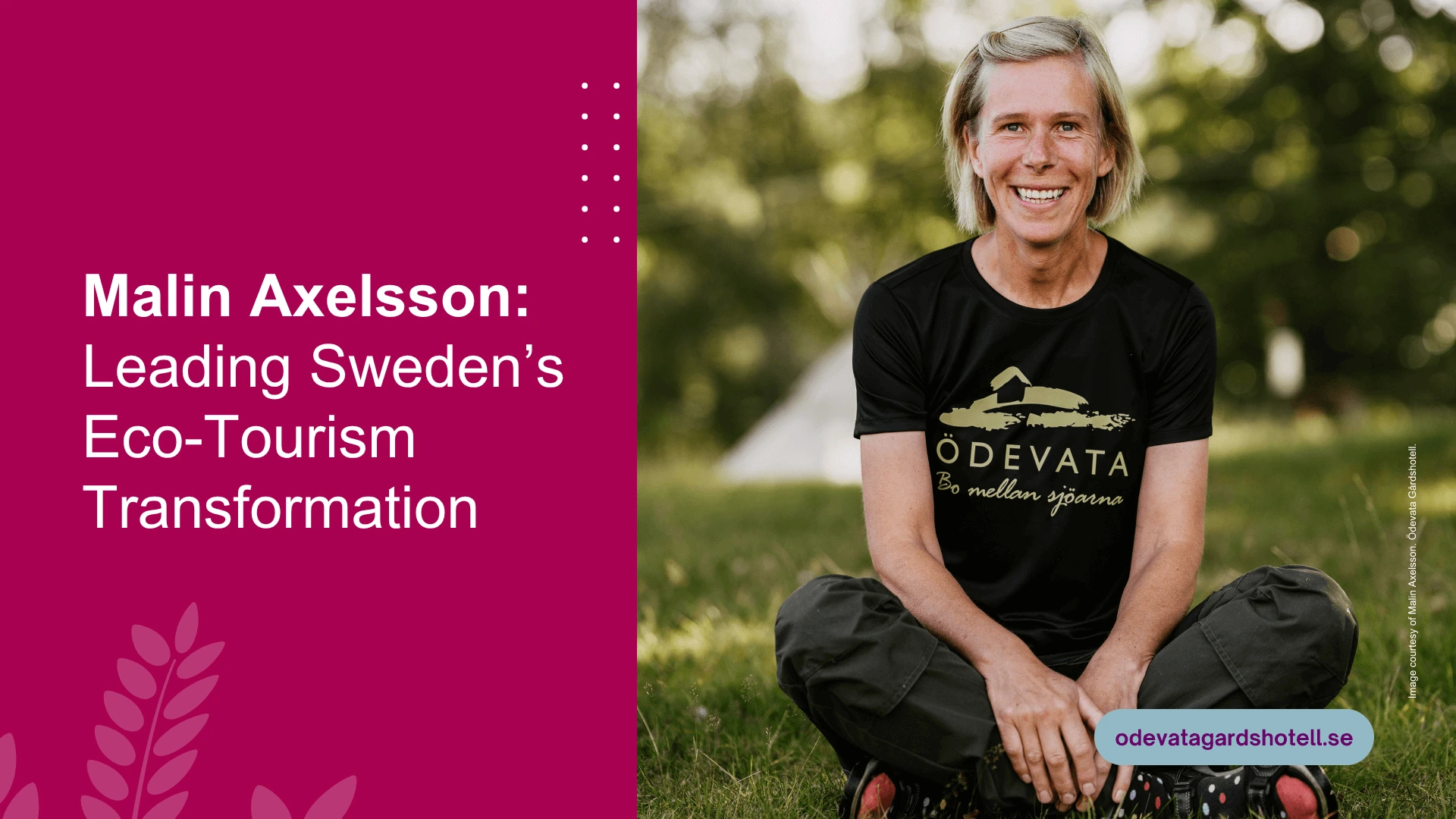
Malin Axelsson: Pioneering a Greener Future from the Heart of Småland
|
Tucked away in the serene forests of southern Sweden, Ödevata Gårdshotell stands as a living, breathing tribute to transformation. Once an abandoned facility with a layered past—having served as everything from a refugee camp to a penitentiary—this historic site has become a haven of sustainability, innovation, and rural reinvention. At the helm of this inspiring metamorphosis is Malin Axelsson, a woman whose journey is as compelling as the land she now stewards.
|
|
|
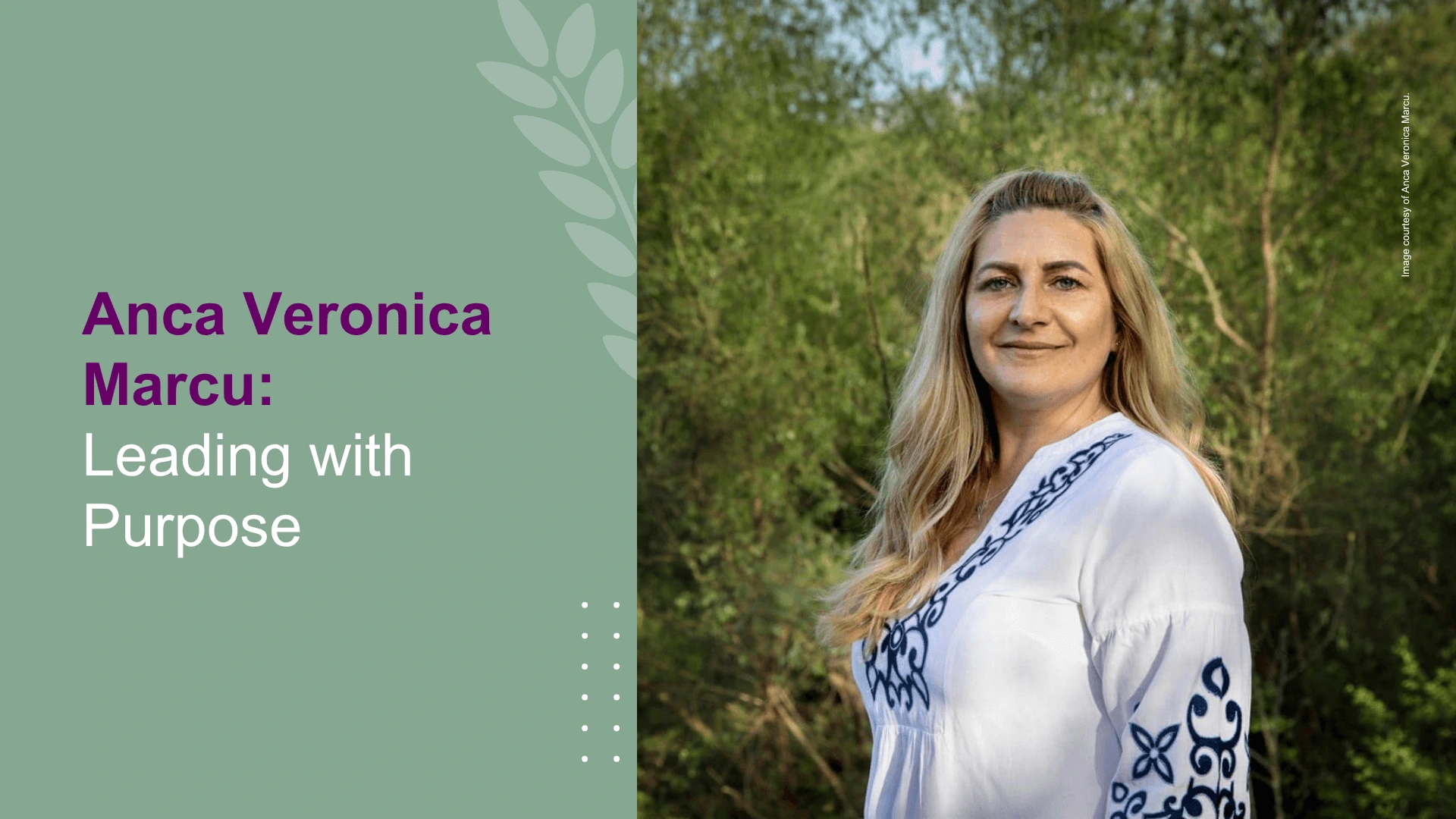
Anca Veronica Marcu: Breaking Barriers and Building Futures in Rural Romania
|
In the heart of Transylvania lies Cojocna, a small commune of 4,300 people with a long multicultural history. It is here that Anca Veronica Marcu, the daughter of this village, is reshaping the way local leadership is understood—not just in her community, but across Romania’s rural landscape. “I think that innovation is really important,” she tells FLIARA, her voice firm yet warm. “Sometimes the path isn’t in front of you—you have to create it.”
|
|
|
|
|
|
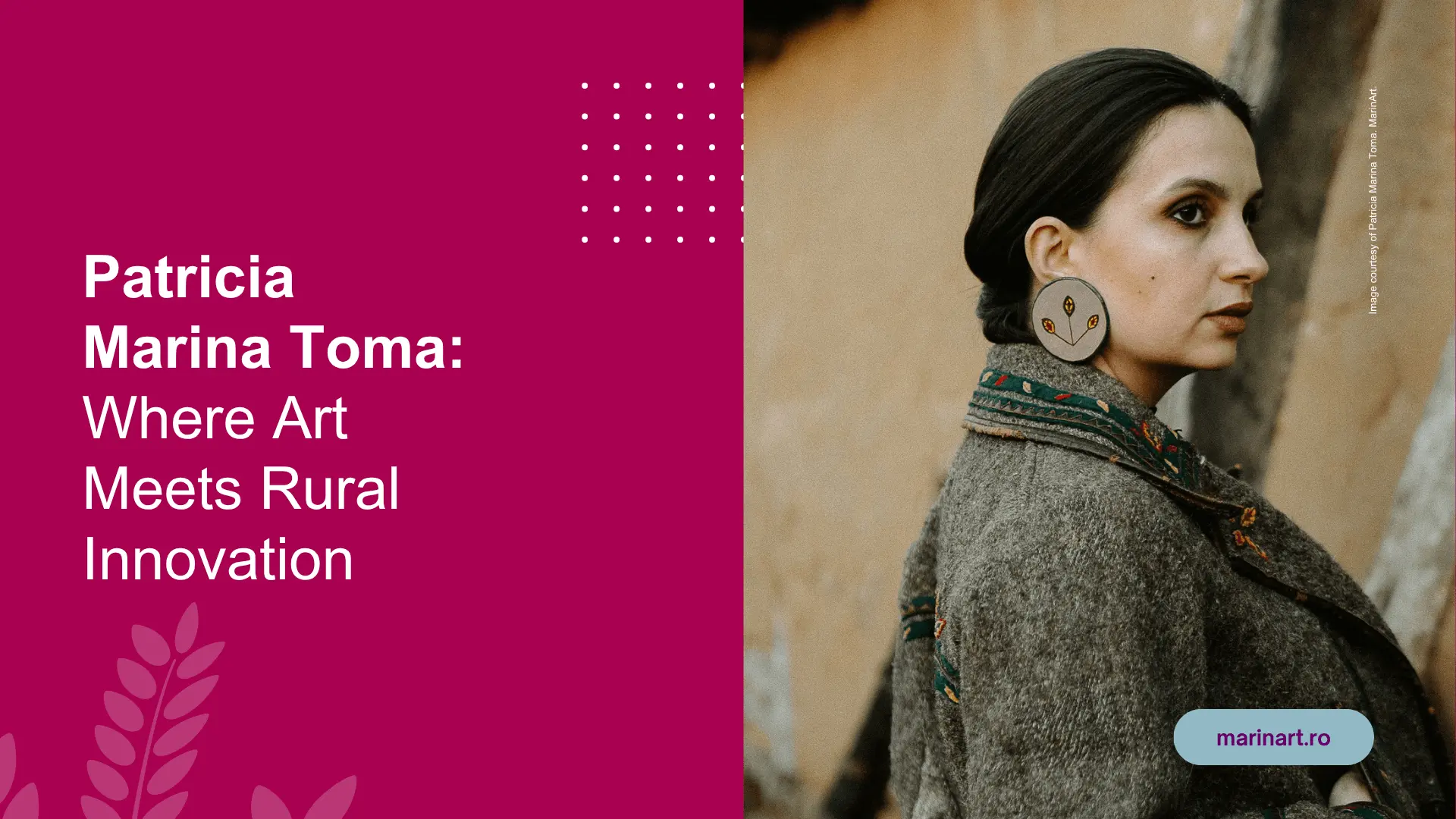
Patricia Marina Toma: The Artist Who Turned a Village into a Canvas of Hope
|
When Patricia Marina Toma introduces herself, she doesn’t start with titles or awards. Instead, she speaks of Marin — the small village in northwest Romania where she was born in 1997 and where her life’s work continues to unfold. “I am a photographer and documentary filmmaker,” she says softly, “but most of all, I have been working with my community for the last nine years.”
|
|
|
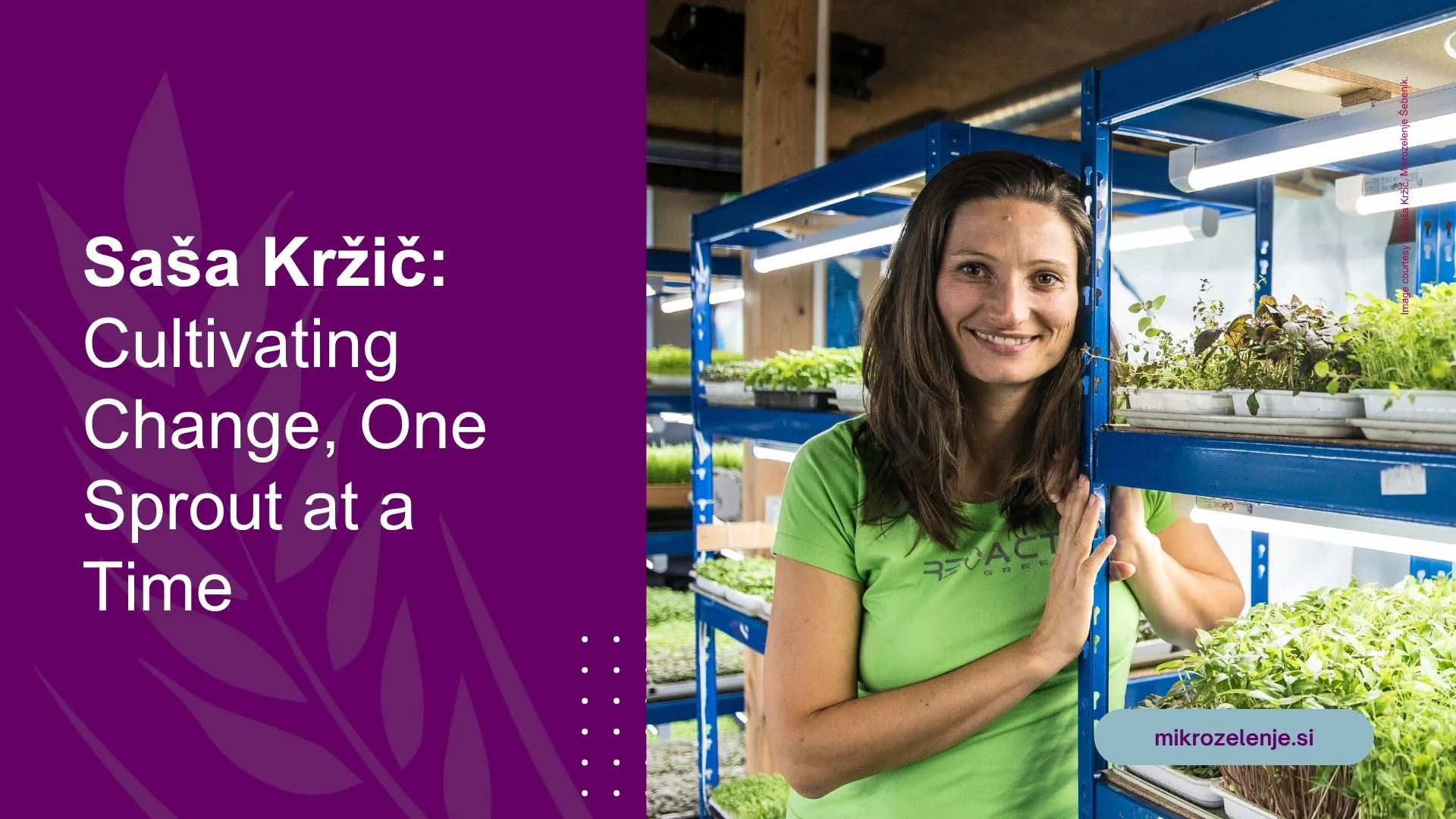
Saša Kržič: The Slovenian Pioneer Turning Tiny Greens into a Rural Revolution
|
In the heart of the Slovenian countryside, nestled in the small town of Borovnica, a quiet agricultural revolution is taking root—one tiny leaf at a time. At the centre of it stands Saša Kržič, a determined entrepreneur and innovator who has transformed a seed of curiosity into a thriving business and a national movement around health, sustainability, and community empowerment.
|
|
|
|
FLIARA partners have continued contributing to academic research, helping expand the evidence base on gender, innovation, and rural development.
|
|
|
Gendered Mismatch in Rural Business Support Systems Threatens Swedish Development, Study Finds
|
A recent academic study published in Rural and Regional Development identifies a critical gendered mismatch within the business support infrastructure of rural Sweden. Researchers Annie Roos of Linnaeus University and Helene Ahl of Jönköping University, partners in the FLIARA project, argue that the current system fails to adequately recognise and support women-led enterprises, risking the long-term sustainability of rural areas.
|
|
|
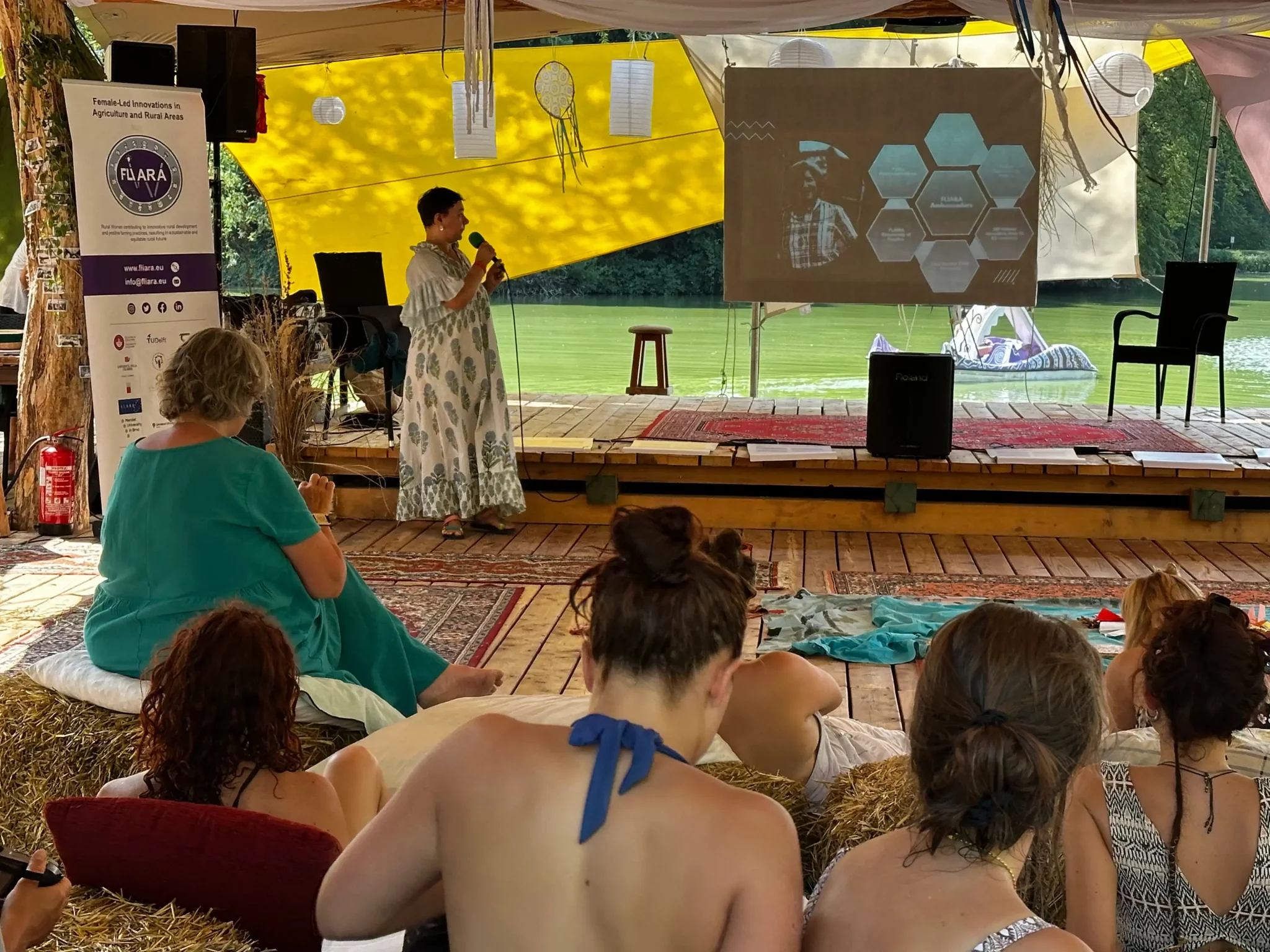
Ecovillage Gathering Highlights Women’s Role in Rural Futures
|
A workshop at the 2025 European Ecovillage Gathering 2025, hosted by the Global Ecovillage Network Europe, brought a focus on the essential role of women in shaping a sustainable future for rural communities. The event, held on August 15th of the gathering, provided a platform for participants to engage with critical issues surrounding gender equality and regenerative practices.
|
|
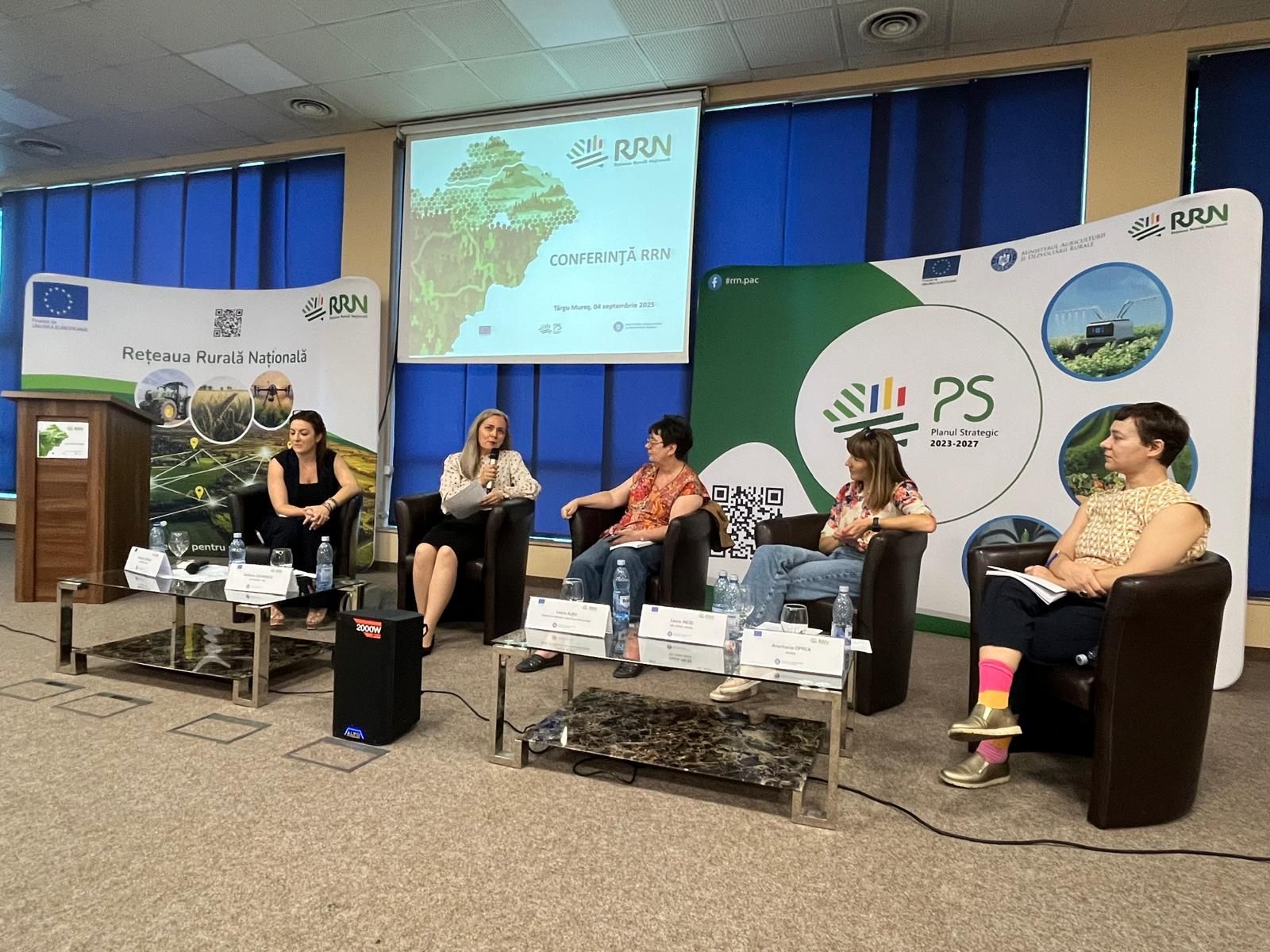
FLIARA Presents at Romanian National Rural Network Event
|
On September 4th, 2025, FLIARA was a key voice at a recent event in Târgu Mureș, Romania, focused on empowering rural women through European funding opportunities. Organised by the Romanian National Rural Network (NRN), members of the FLIARA Stakeholder Advisory Board, the event, provided a platform to discuss the vital role of women in shaping sustainable rural economies.
|
|
|
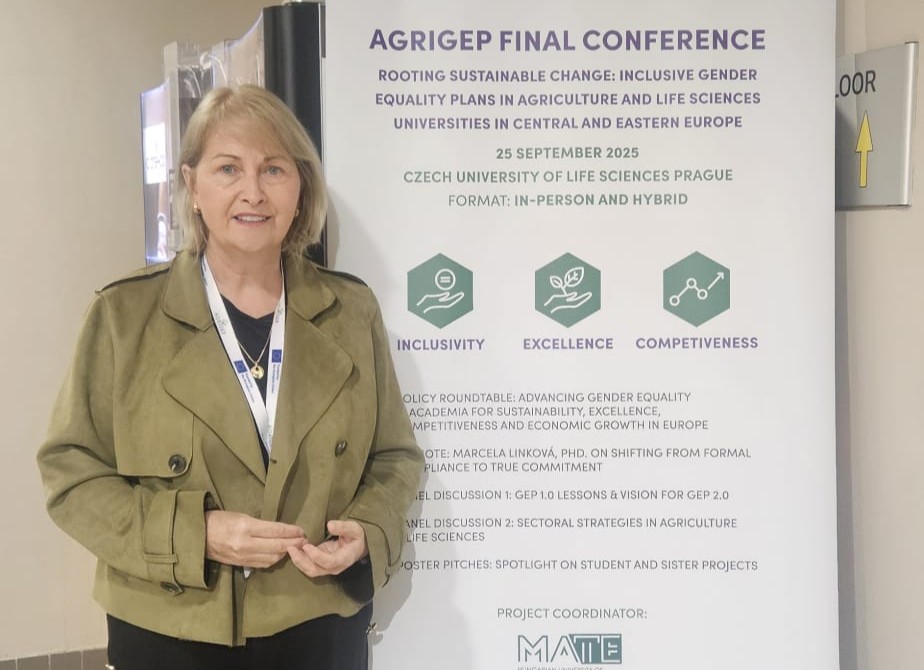
Maura Farrell Highlights Women’s Role in Rural Innovation at AGRIGEP Conference
|
The final conference of the AGRIGEP project, held on September 25th at the Czech University of Life Sciences Prague, featured Associate Professor Maura Farrell, coordinator of the EU-funded FLIARA project, as a prominent speaker on advancing gender equality in agriculture.
|
|
FLIARA Showcased Women as Changemakers at the European Rural Parliament 2025
|
The Northeast of Scotland successfully hosted the 6th European Rural Parliament from October 20th to 23rd, 2025. The historic assembly brought together over 400 delegates from 43 European countries to advance grassroots policy and cooperation.
|
|
|
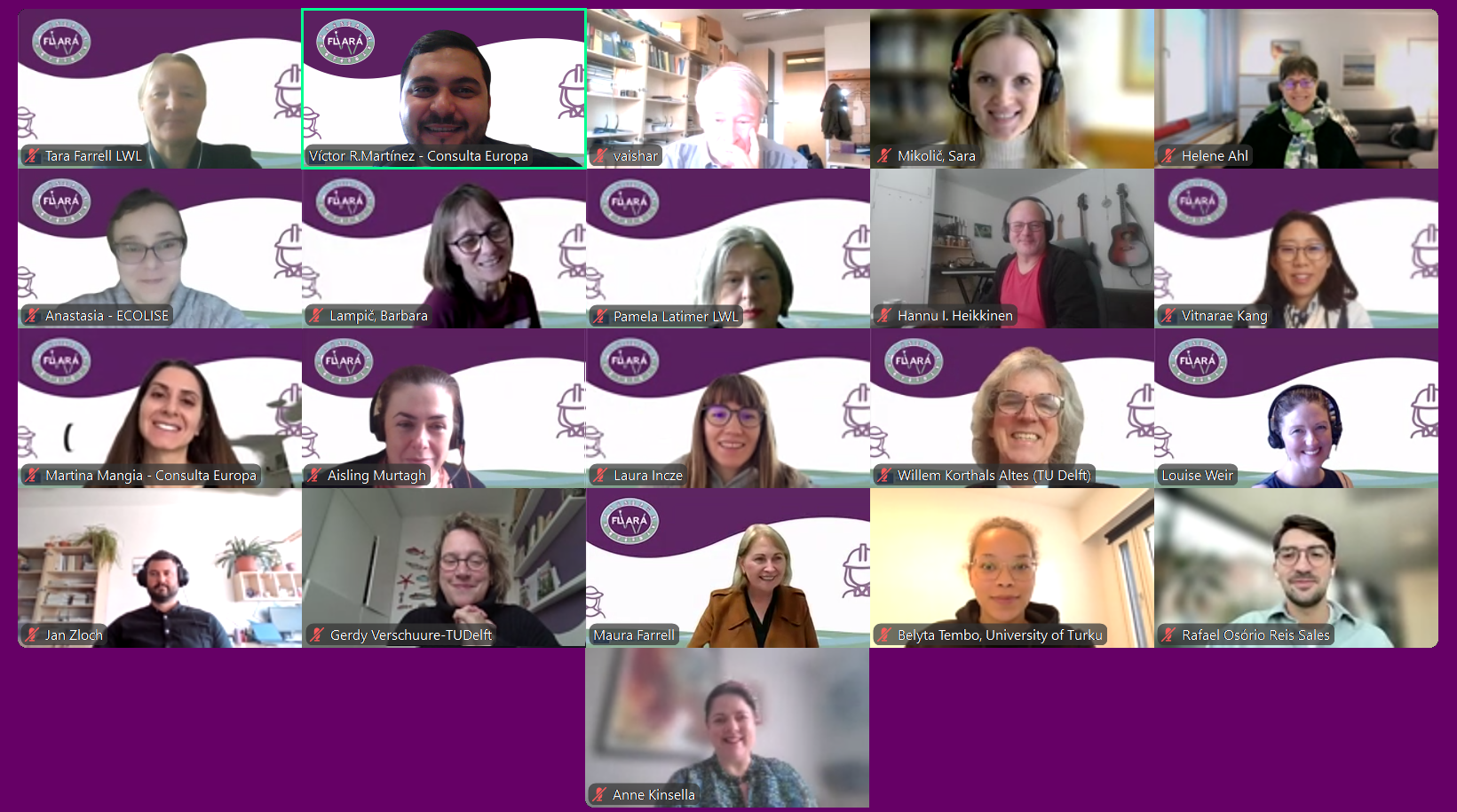
FLIARA Consortium Holds Final Link Meeting as Project Nears Completion
|
The FLIARA consortium convened its final monthly Link Meeting this week, bringing together partners from across Europe to assess progress across all work packages as the EU-funded project enters its concluding phase. The one-hour online format, used consistently throughout the project, was credited again for keeping coordination efficient and focused.
|
|
Romanian Rural Women Demand Political Voice at FLIARA Event
|
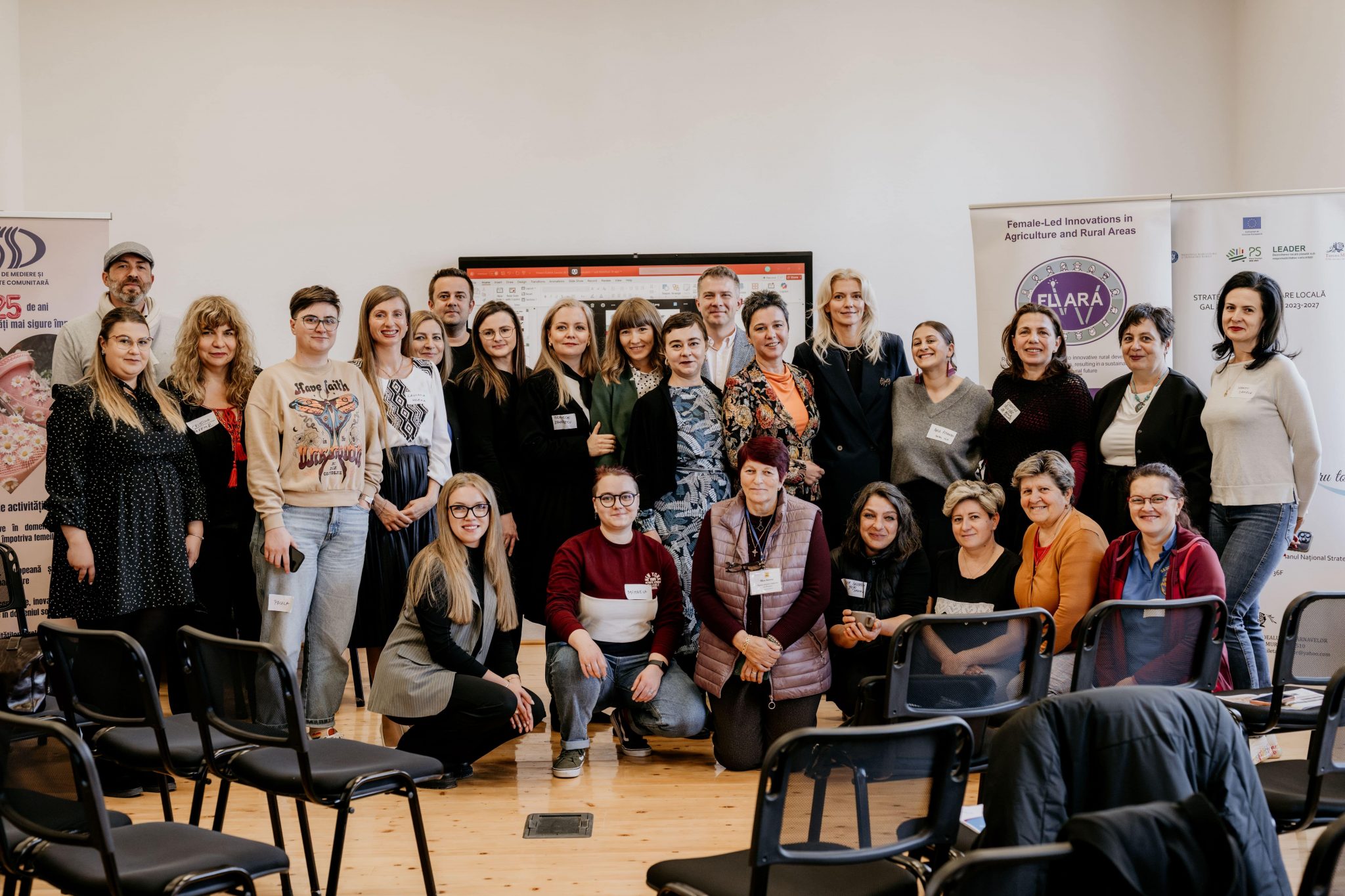
Rural women from across Romania converged on the village of Saschiz on 30 October 2025 for a landmark event, “From Innovation to Political Action – The Voice of Rural Women”, organised under the FLIARA Project.
|
|
|
FLIARA Project Hosts Final Online Community of Practice Event
|
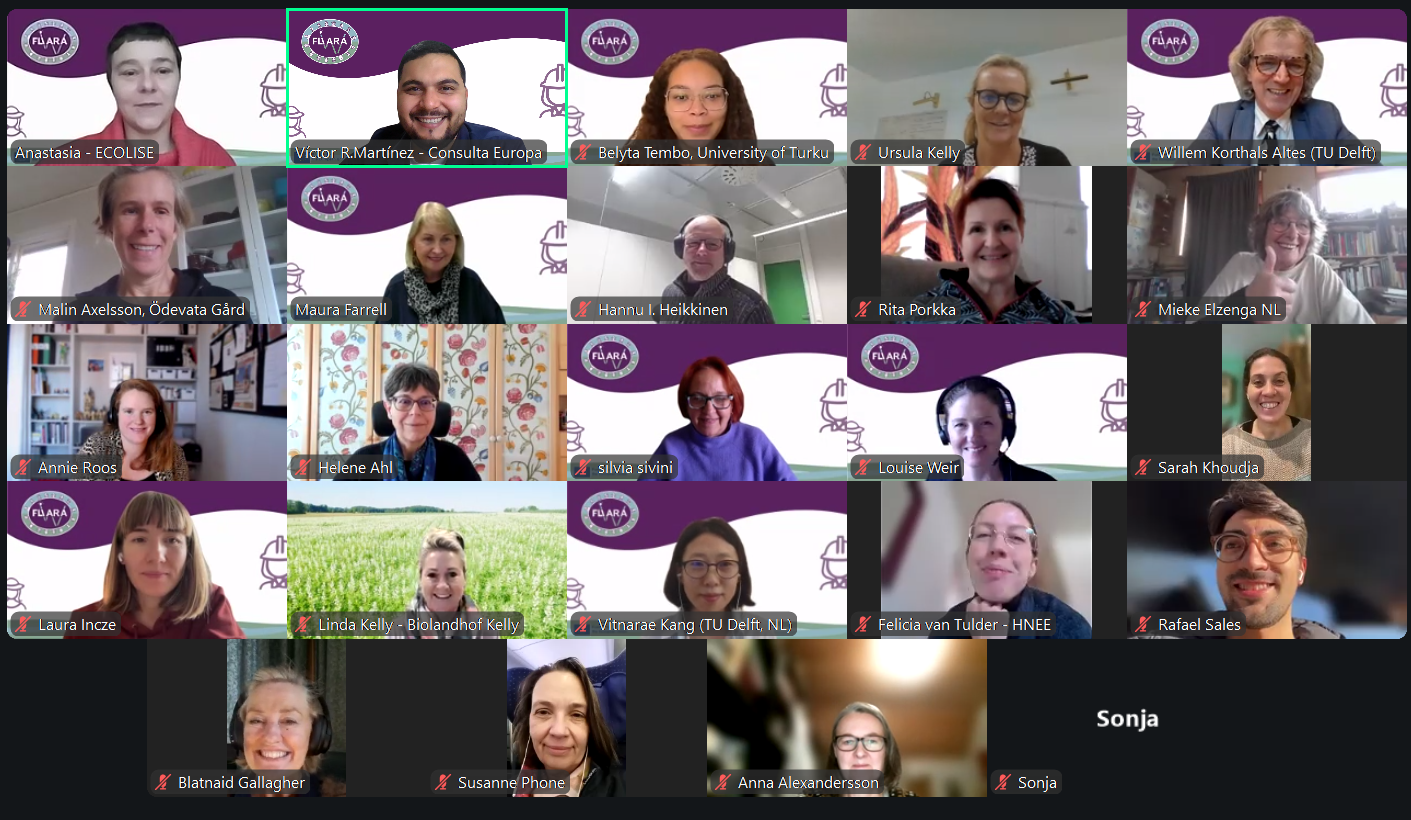
On November 17th, the FLIARA Project held its final Community of Practice online event, bringing together consortium partners and Innovation Ambassadors from across Europe for a morning dedicated to reflection, shared experiences and discussions about the project.
|
|
Swedish Symposium Highlights Systemic Barriers for Rural Women Innovators
|
A key symposium at Linnaeus University in Växjö, Sweden, on 26 November 2025, brought together Swedish academics to scrutinise the vital yet often unacknowledged contributions of women to agriculture and rural development, alongside the persistent systemic challenges they encounter.
|
|
|
Empowering rural women: FLIARA project conference calls for inclusive innovation and policy change
|
Women’s innovation is a driver of rural transformation across Europe – female entrepreneurs are proving that innovation rooted in local knowledge can revitalise rural economies and communities.
|
|
'We can’t keep talking about farmers as if we mean men'
|
Women farmers and rural residents do not lack ideas or ambition - they lack access to the agriculture sector: access to transparent systems, tailored support, networks, childcare and decision-making spaces in the industry.
|
|
Maaseudun naisyrittäjä kohtaa samat haasteet kaikilla Euroopan laidoilla
|
Luontopalveluyritys Naturestin yrittäjänä ja toimitusjohtajana toimivan Rita Porkan tyypillinen työpäivä kuluu suomalaisessa metsässä. Viime kuukausina hän on sen sijaan löytänyt itsensä muutamaan otteeseen eri puolilta Eurooppaa yrittäjäkollegoidensa seurasta.
|
|
|
Future Outlook: The Legacy of FLIARA
|
|
|
As the project concludes, the FLIARA legacy lives on through its open-access results, policy insights, and community of practice.
We invite policymakers, researchers, and rural stakeholders to uptake FLIARA’s final deliverables — from the Gender Guide and Toolkit to the Policy Briefs and Innovation Profiles — and continue building a more gender-equal and sustainable rural Europe.
The insights gathered through FLIARA’s policy work will continue informing future strategies across Europe, ensuring that rural transformation remains inclusive and gender-responsive.
|
|
|
Because if you can see it, you can be it.
|
|
|
“It has been a privilege to work with women and stakeholders across Europe whose innovation is already shaping rural futures. FLIARA has shown that what is needed is not more ambition, but the space and support to make these contributions visible. We thank the European Commission for enabling this research, which now paves the way for lasting change.”
— Associate Professor Maura Farrell, FLIARA Project Coordinator
|
|
|
Stay connected with FLIARA
|
|
|
The FLIARA Community of Practice remains available on LinkedIn, providing a space to exchange ideas, share experiences, and continue conversations about rural innovation and gender equality. You can also reach us anytime via the contact form on the FLIARA website.
|
|
|
|
|
Funded by the European Union. Views and opinions expressed are however those of the author(s) only and do not necessarily reflect those of the European Union or the European Research Executive Agency. Neither the European Union nor the granting authority can be held responsible for them.
|
|
|
|
|
|
2025 © Consulta Europa - All rights reserved
|
|
|
|